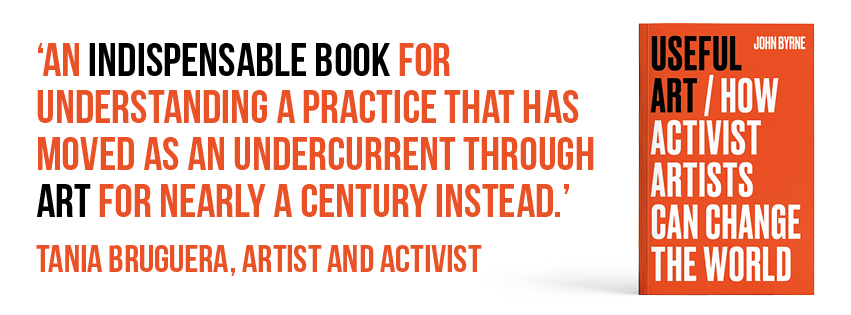
On January 20th 2026 my book ‘Useful Art: How activist artists can change the world’ was published by MUP Press.
You can find out more about it, and also if you want to order a copy, you can visit MUP Press here
On January 20th 2026 my book ‘Useful Art: How activist artists can change the world’ was published by MUP Press.
You can find out more about it, and also if you want to order a copy, you can visit MUP Press here
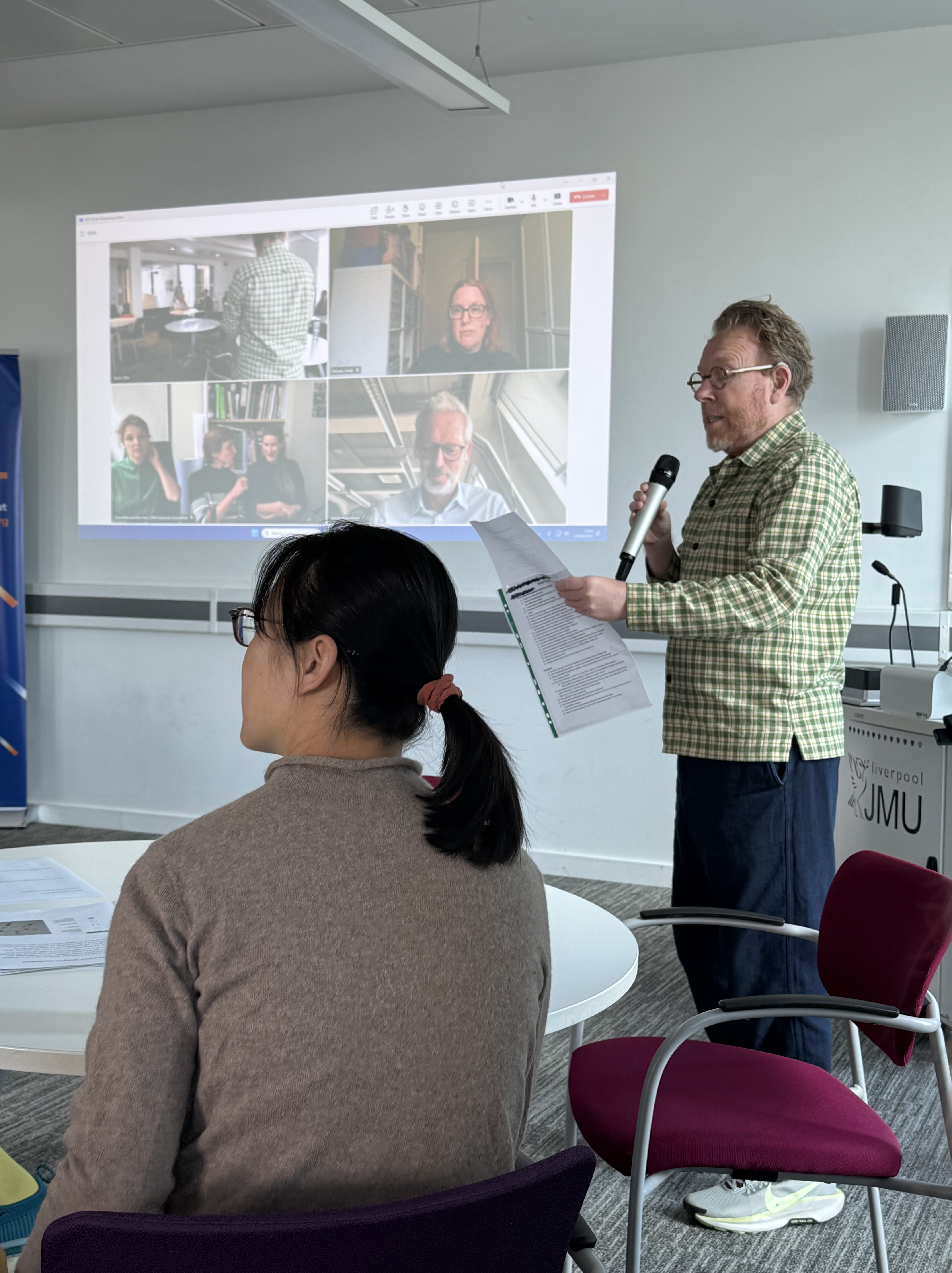
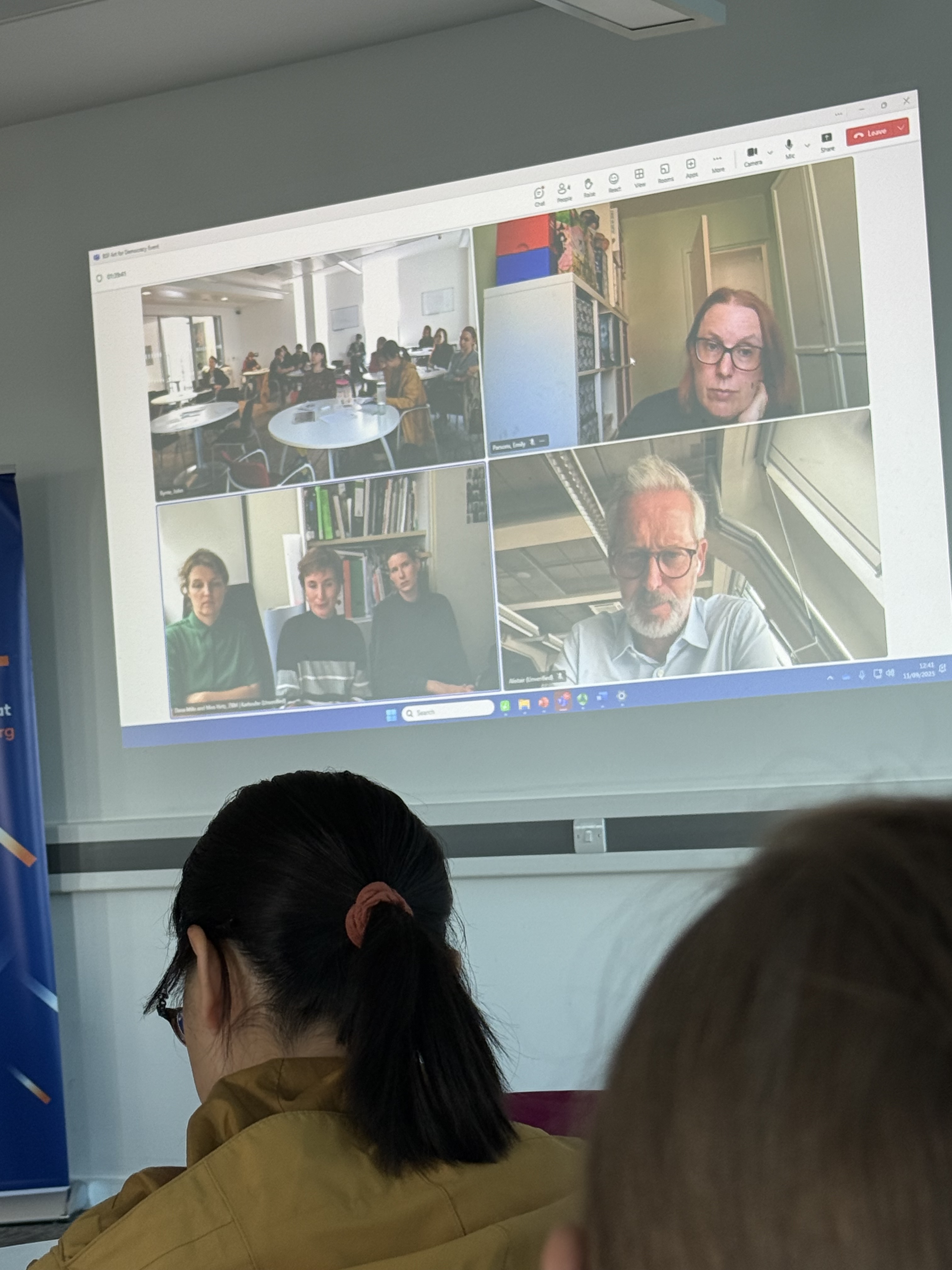
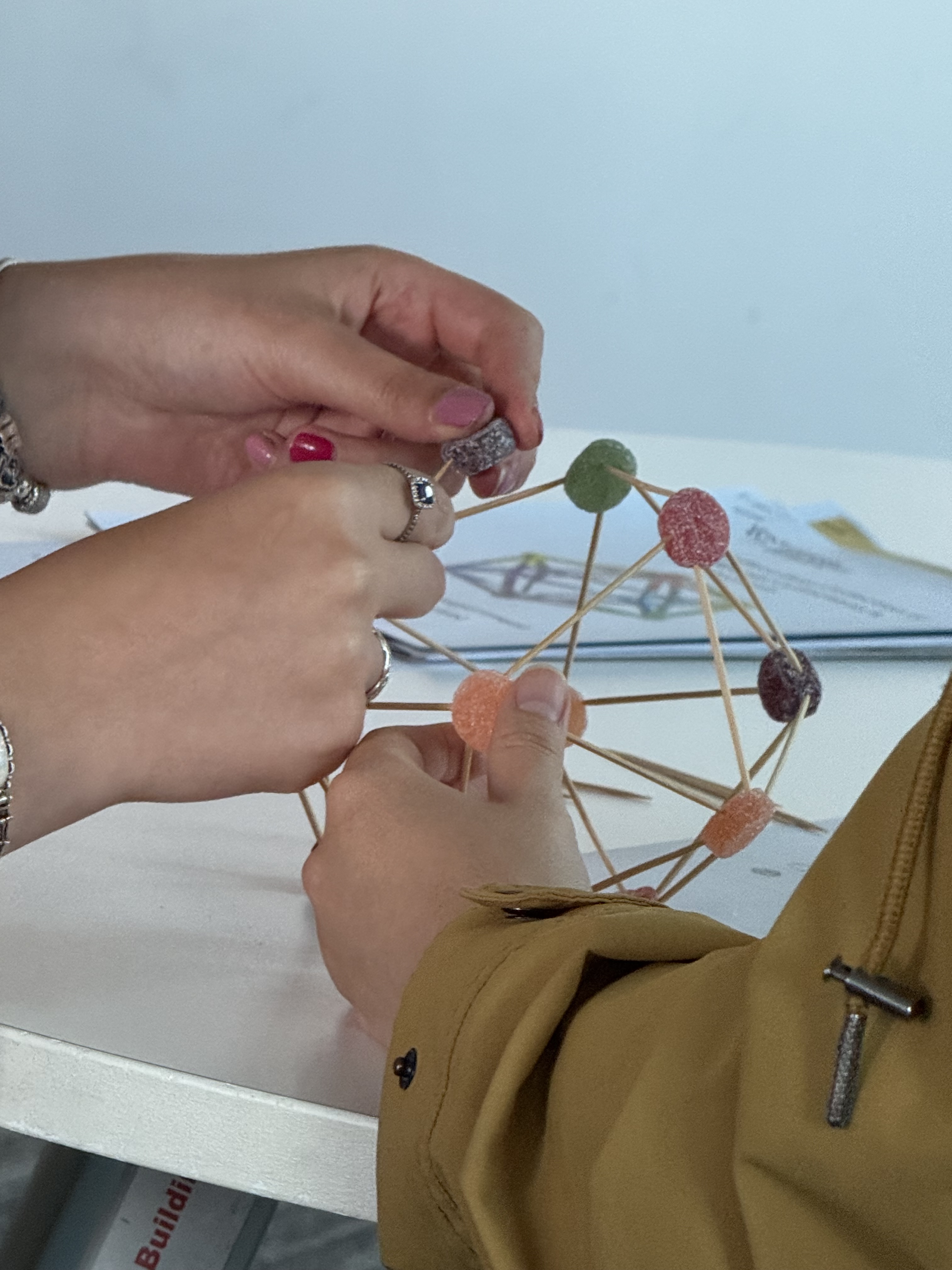
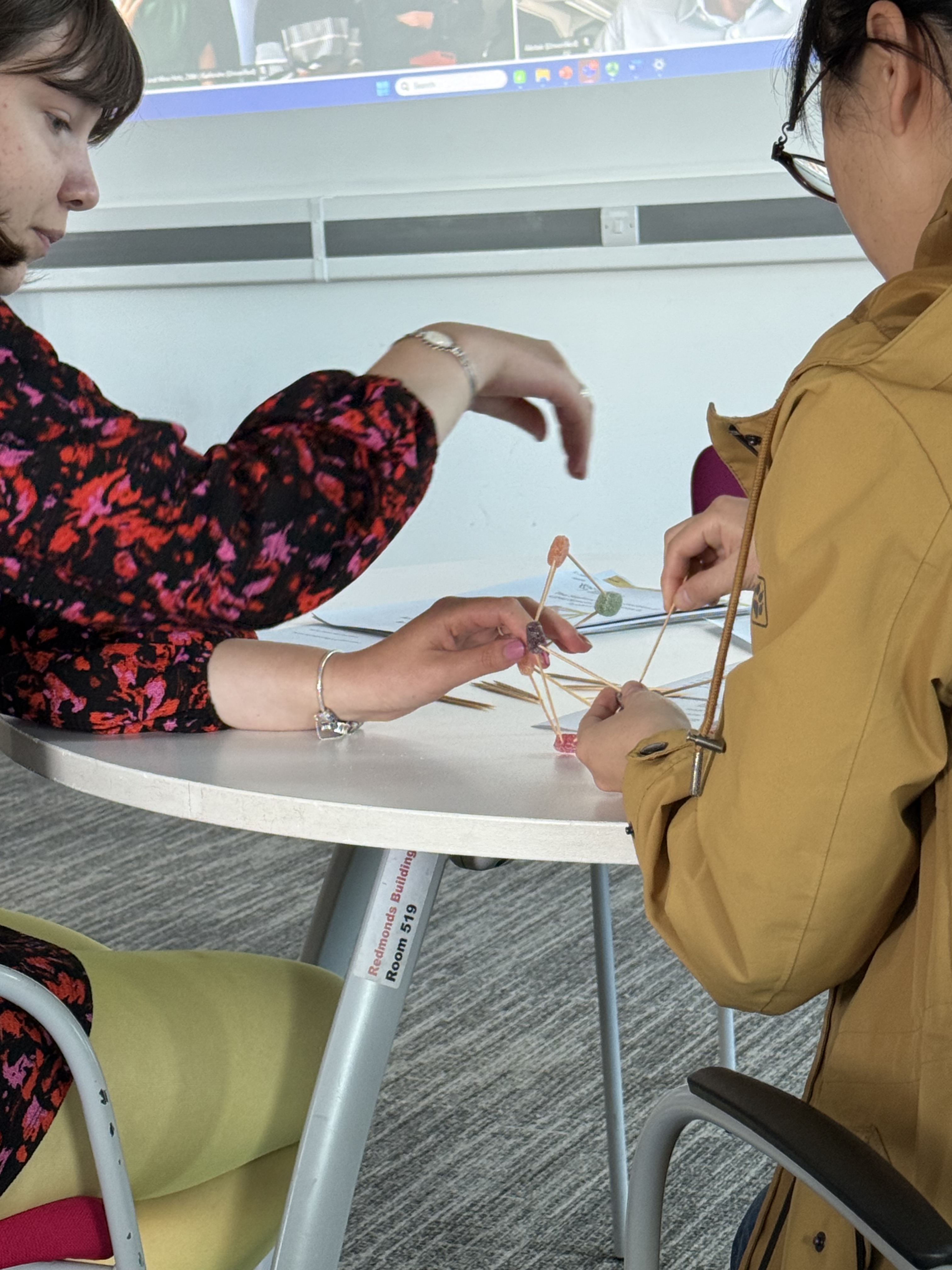
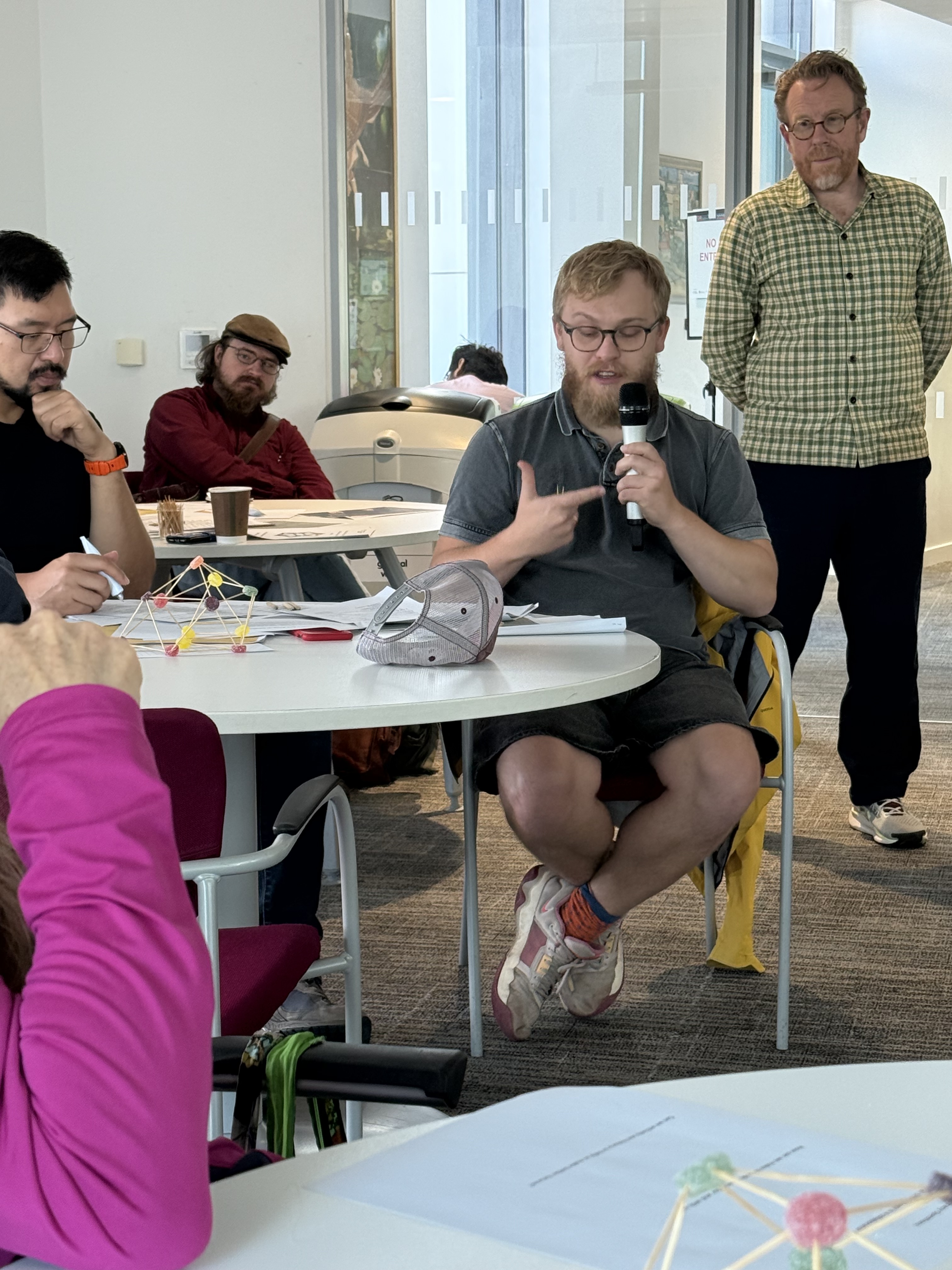
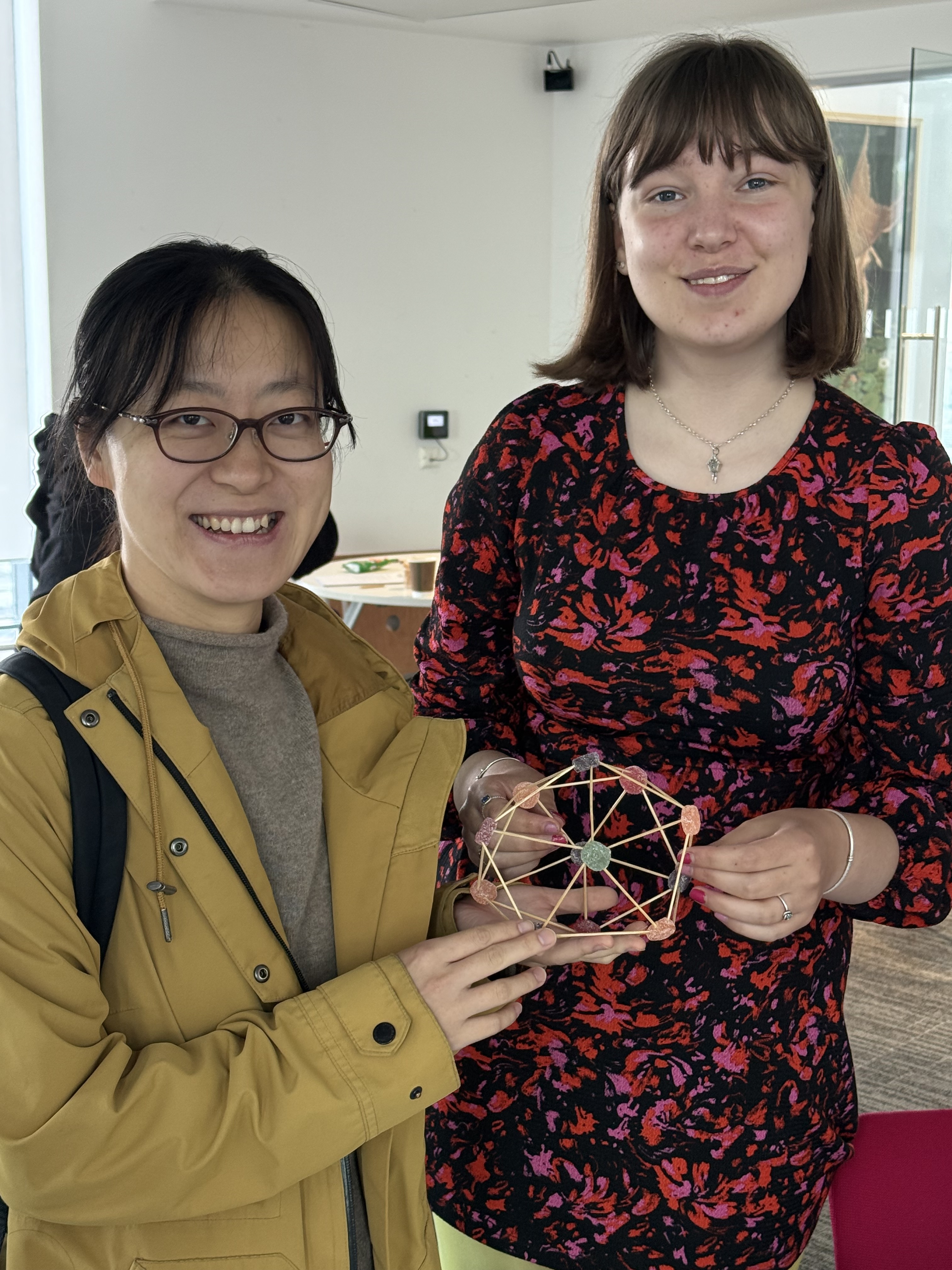
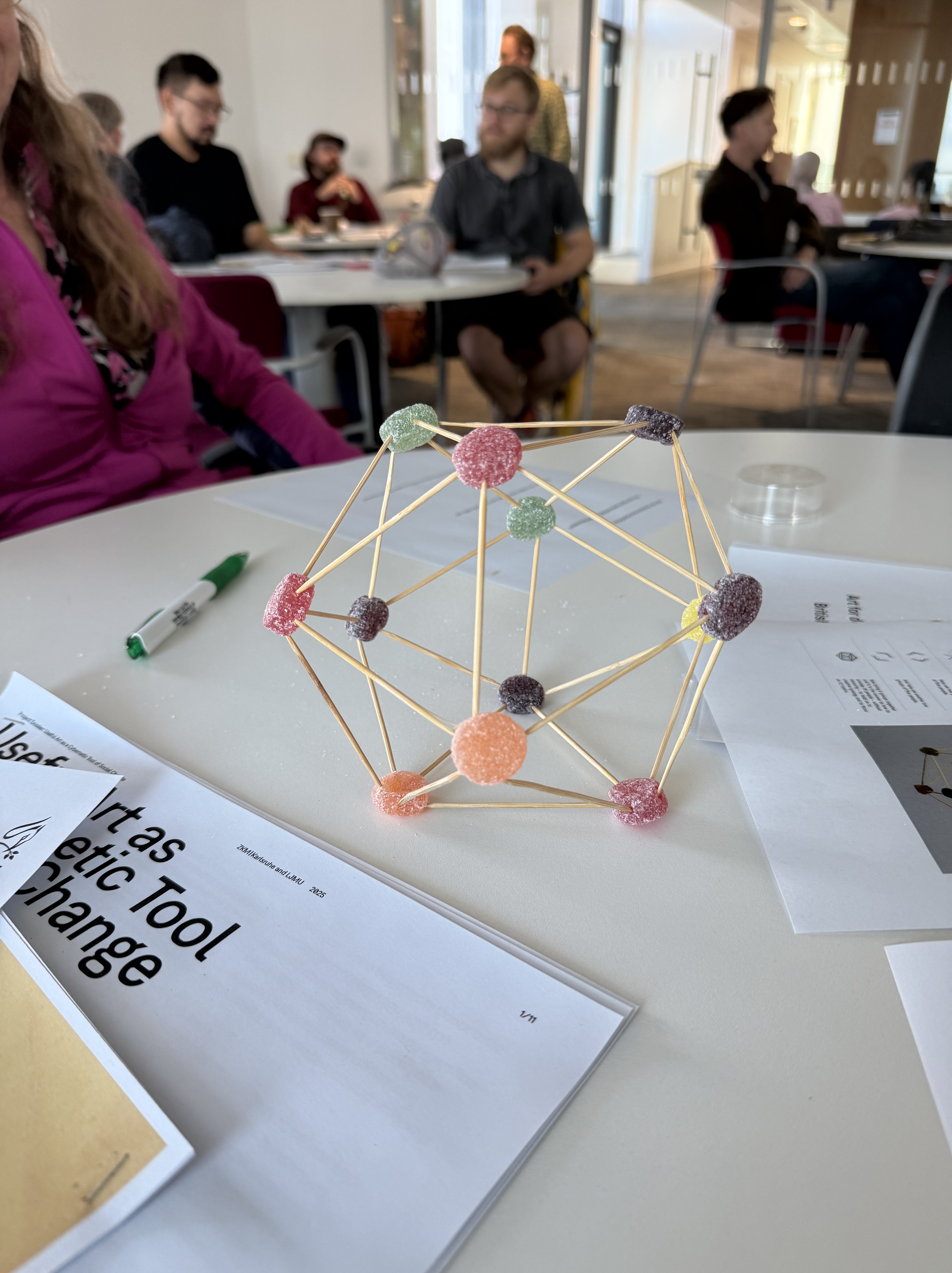
On September 10th 2025 I hosted a panel for the British Science Festival in conjunction with ZKM. The title of the event was ‘Art for Democracy Experiment’. For the Bristish Science Festival blurb we asked ‘How can we democratise museums and make them tools of social change?’
The event took the form of an open discussion/seminar with a live link up feed to ZKM – particpants were invited to discuss ideas around Stafford Beer’s work, Project Cybersyn and how such utopic projects might be re-used today as both tools to help instigate ground up community activism and as a means to challenge the condition of neoliberal occupation
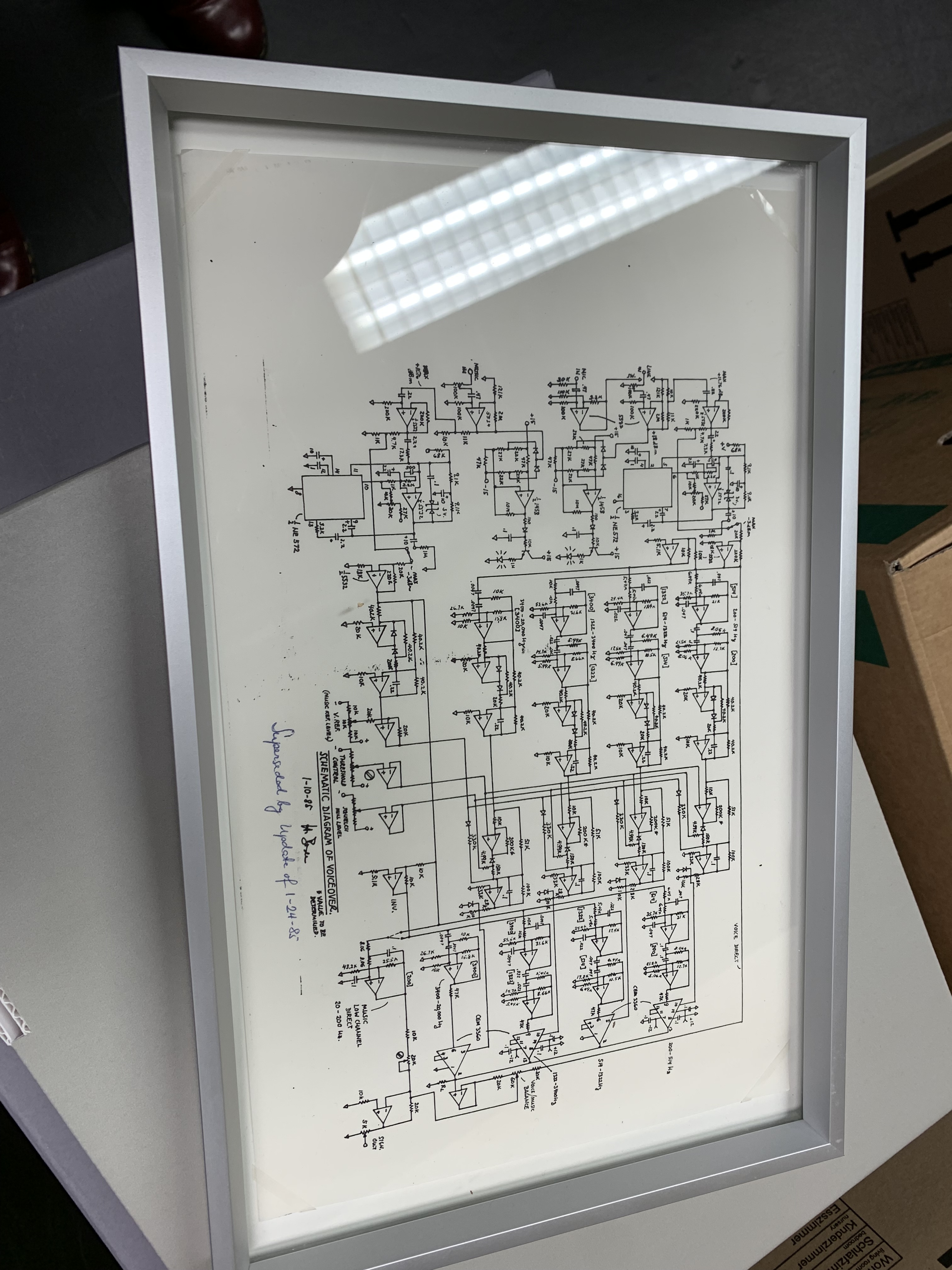
The event was inspired by conversations we’ve been having between Alistair Hudson, Scientific-Artistic Chairman of the ZKM and his team, in partnership with myself and members LJMU Libraries and Archival team. These have cantered around the Stafford Beer Archive, which we house at LJMU, and particularly the Project Cybersyn and Team Syntegrity Archive. What we aim to do is find new ways, in an age of AI, to democratise and activate existing online/offline archives as toolkits for real-world change. Believing that there is always latent and untaped potential held within historical archives, we want to develop pilot toolkits (focusing on Beer’s Project Cybersyn and Team Syntergity as ‘portals) that would make archives more open to use and usership – and thereby offering ways to rethink how institutions themselves can share and activate the potentials held within their archives as toolkits for social change.
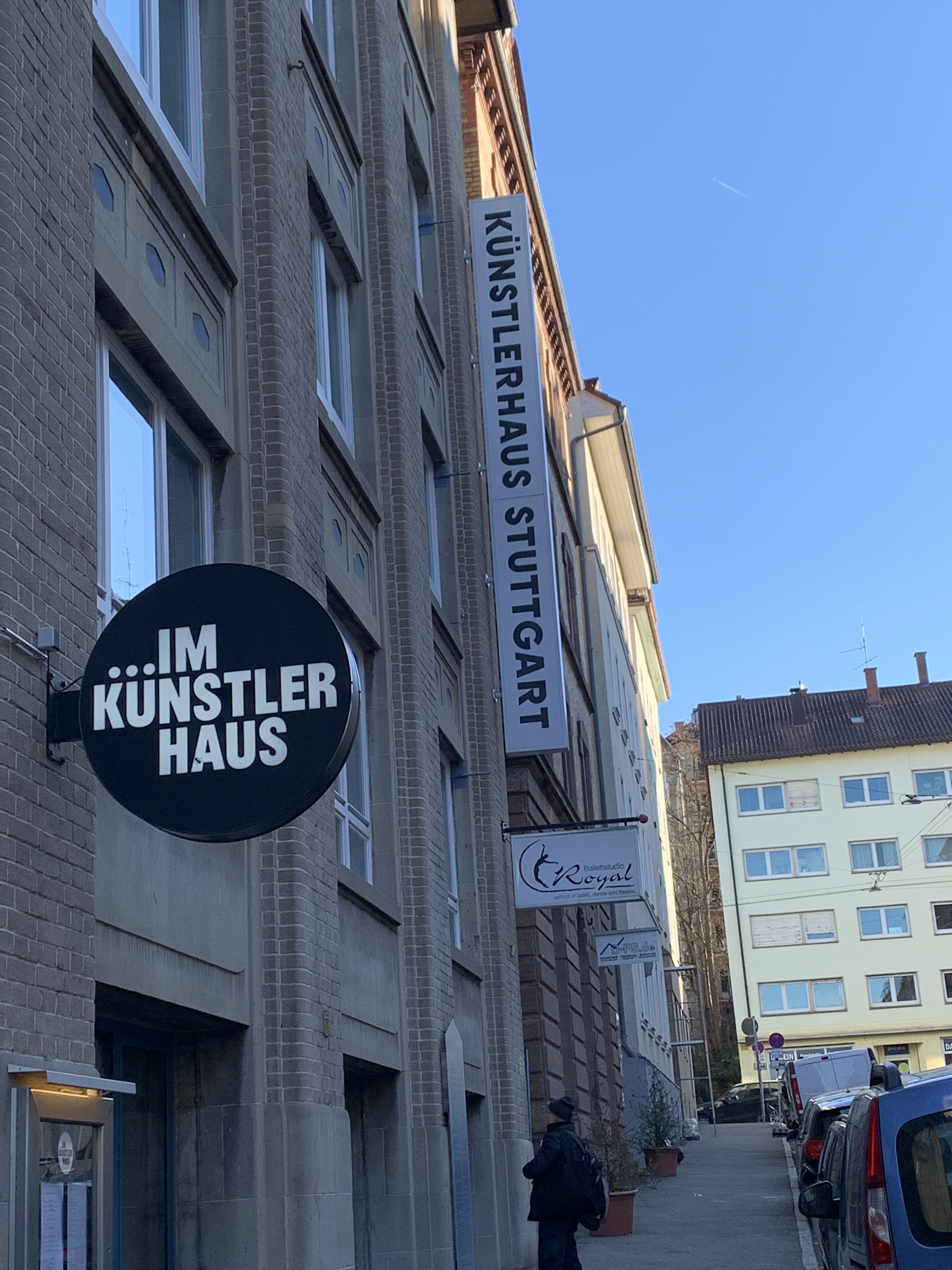
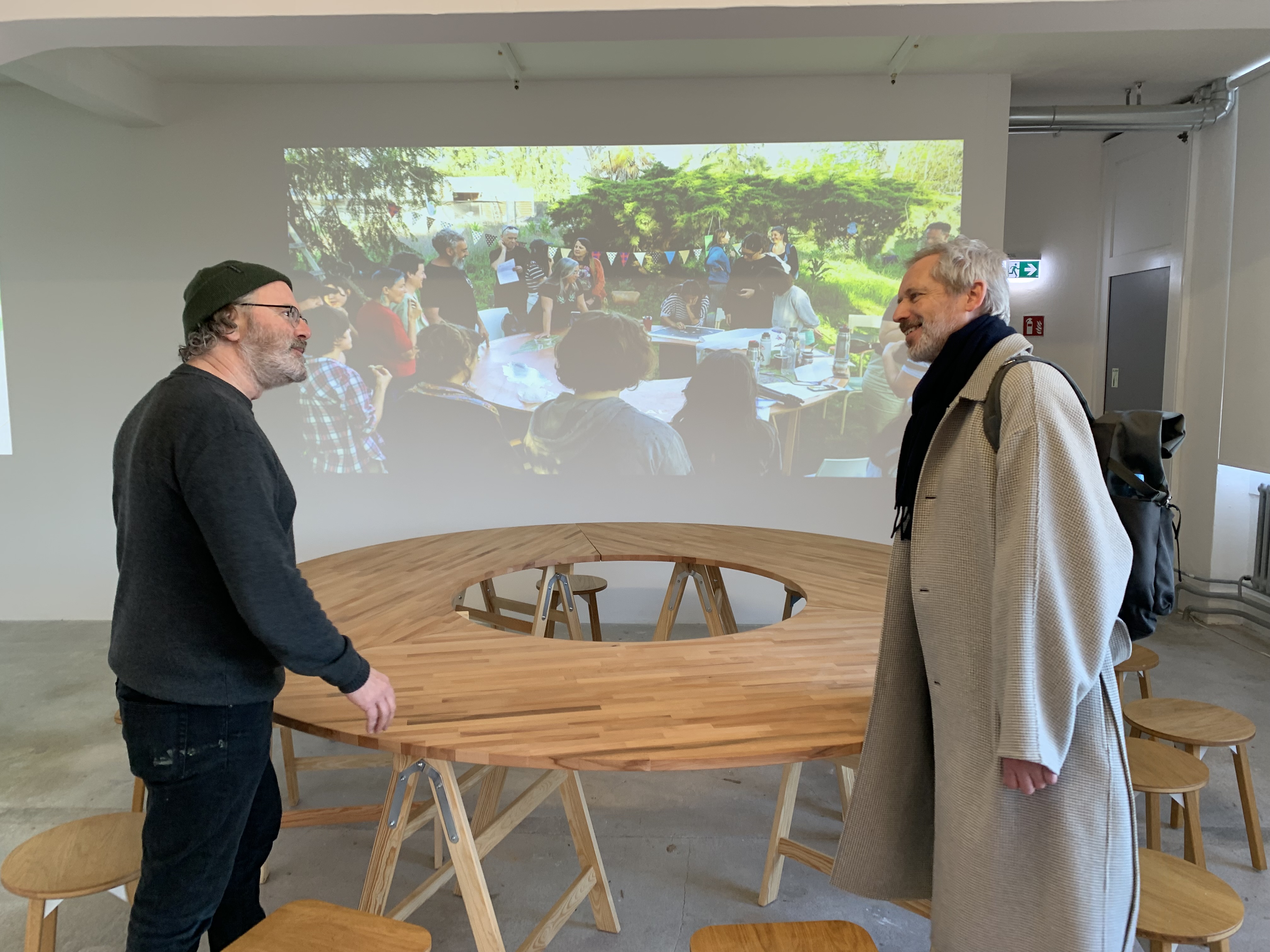
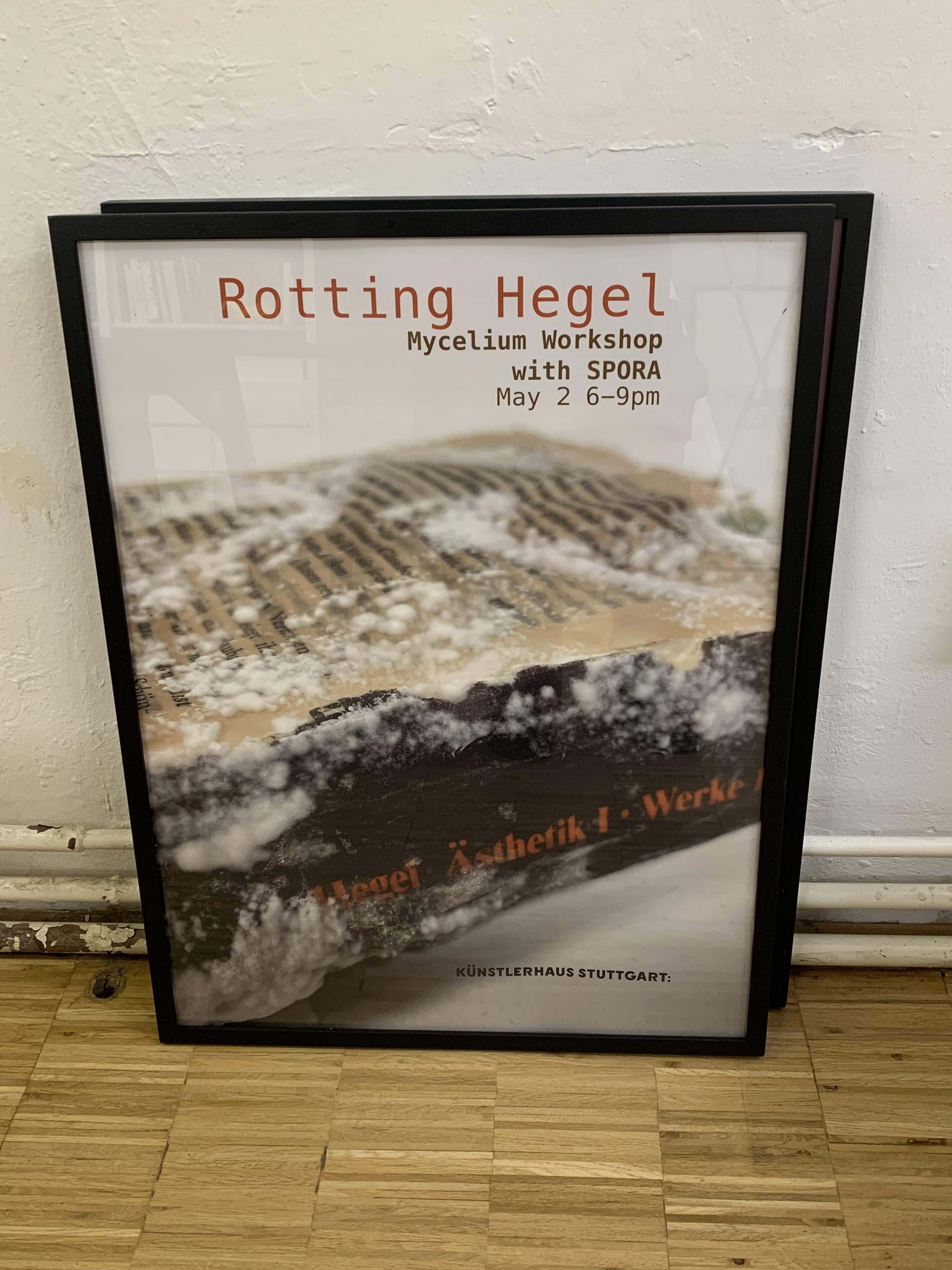
On Saturday 1st February 2025 I was able to visit long term colleague and friend Steven Wright at his new curatorial home at the Künstlerhaus Stuttgart. Wright, and his partner Tamarind Rossetti, took over as Artistic Directors of Stuttgart Künstlerhaus the previous year (January 2024). Founded in 1978 Stuttgart Künstlerhaus has a novel approach to artistic directorship – engaging each director (or directorial team) for a fixed three-to-four-year period as a means to ensure that cutting edge practice and discourse, coupled with experimental approaches to both exhibition making and the distribution and reception of contemporary art.
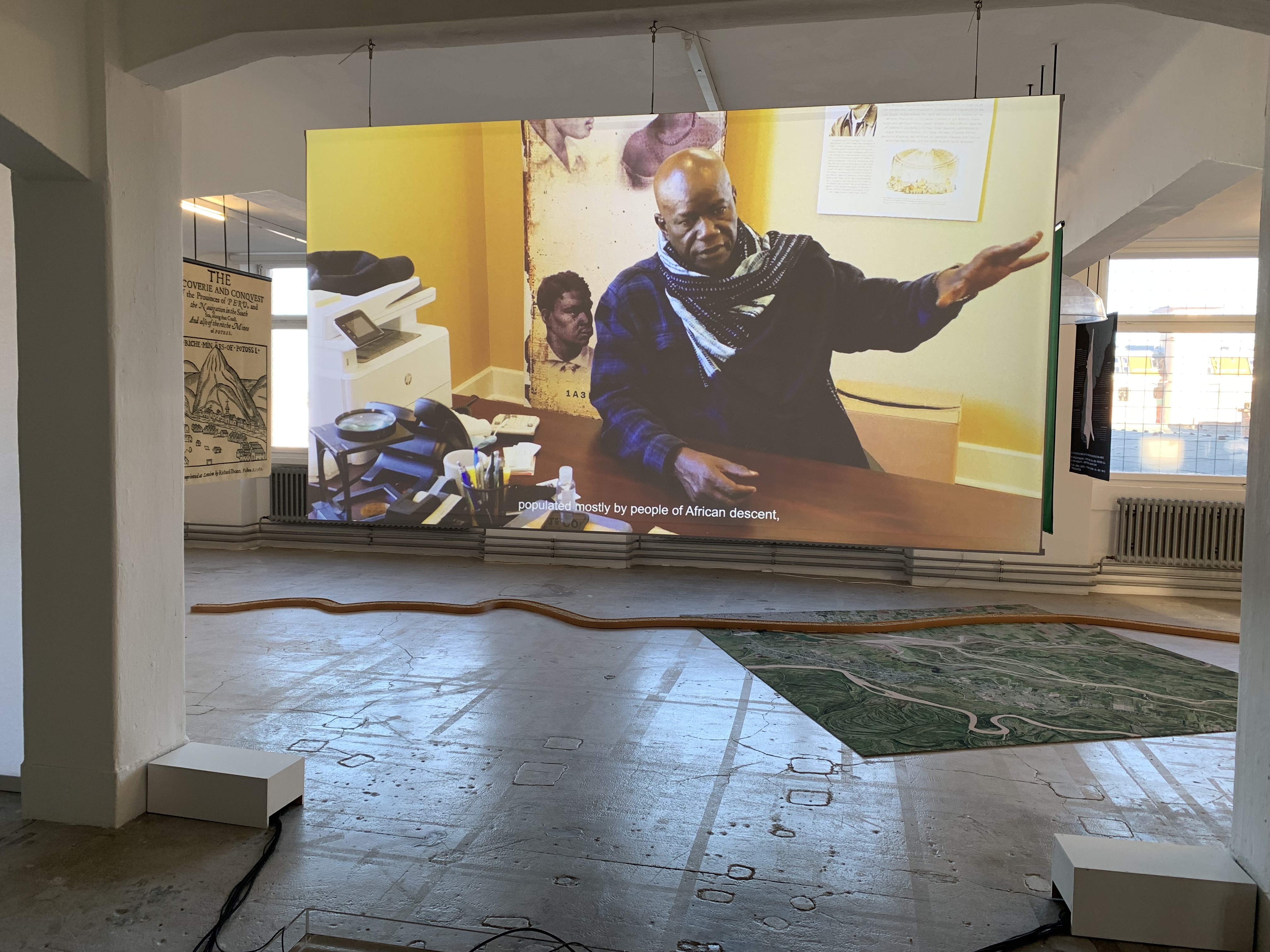
Previously, In 2018, Rossetti and Wright founded a 1:1 scale agroecological test site called Ferie au Sauvage for growing organic fruits and vegetables, where they offered farm-to-table meals and farm-to-panel workshops (called “ideaseeding”), ran a farm store in the studio, and documented the project through art. Currently they are operating a permaculture farm and research project in Corrèze, France. Seeing their new role at Stuttgart Künstlerhaus as “an opportunity to implement ideas gleaned over the years from usology and permaculture, from art education, publishing and exhibition making, in an ‘extradisciplinary’ environment”, my visit coincided with the installation of Riverpmap, a series of online/offline interventions into the space of the Künstlerhaus in which Brian Holmes has mapped the social, economic, political and environmental river flows of the the American Midwest, the Pacific Northwest coast and the La Plata Basin in South America. As the Künstlerhaus webste attests “Holmes was previously known in European art and activist circles as an essayist and public speaker, and over the course of these years he has invented a new but strangely familiar genre, the essay map, filled with written text, scientific visualization and multimedia image.” Künstlerhaus Stuttgart opens “Brian Holmes: Rivermap”
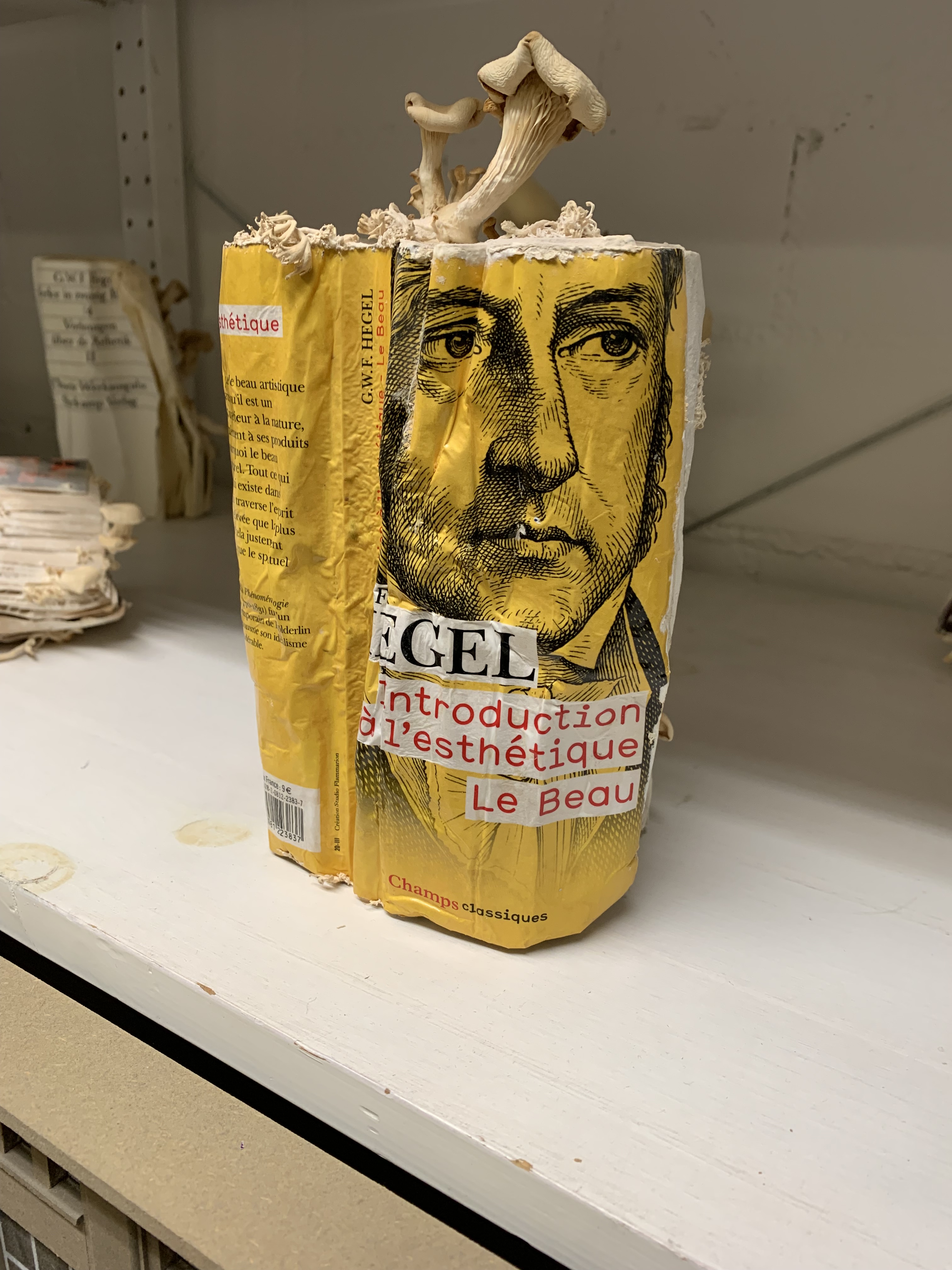
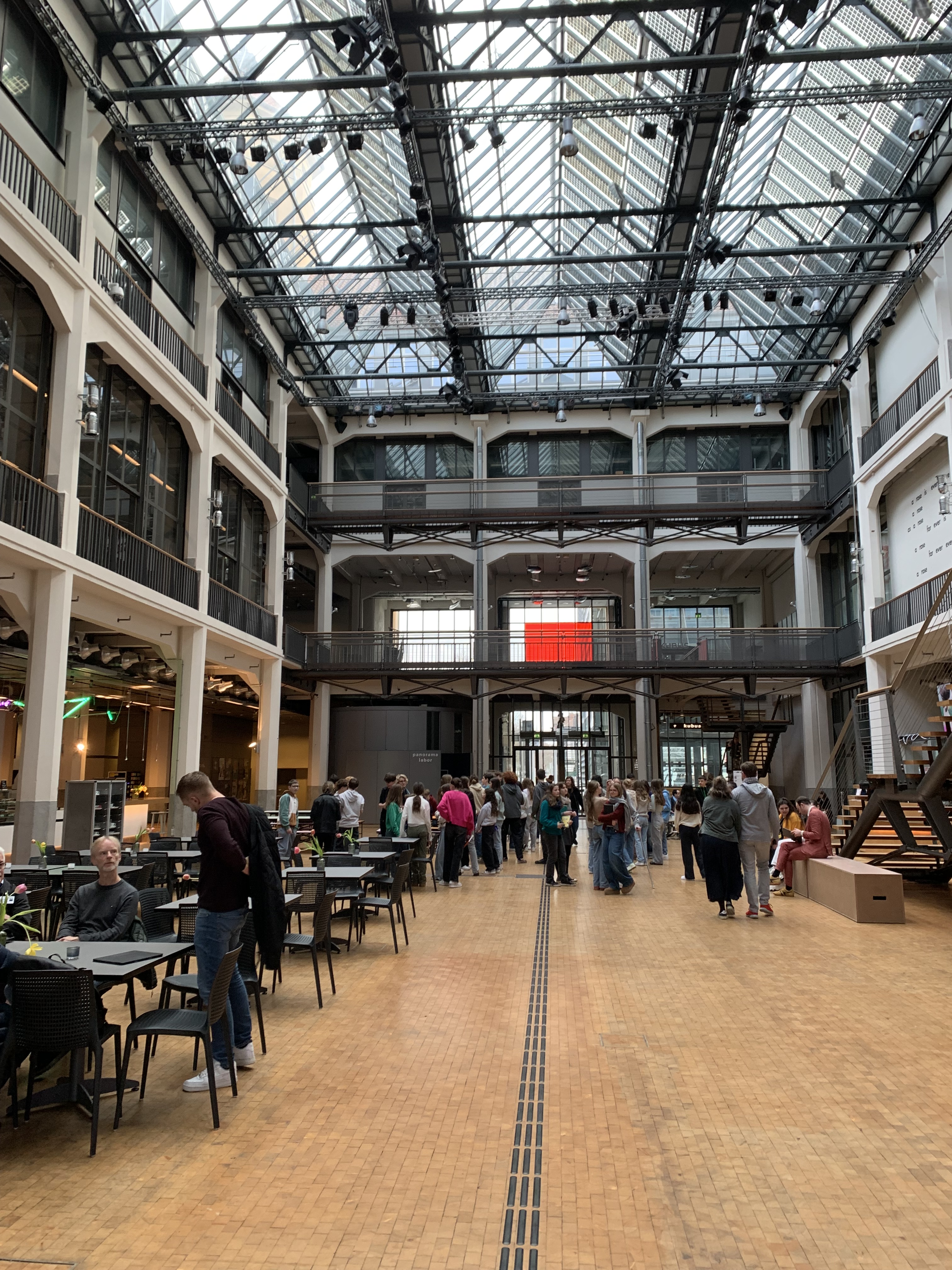
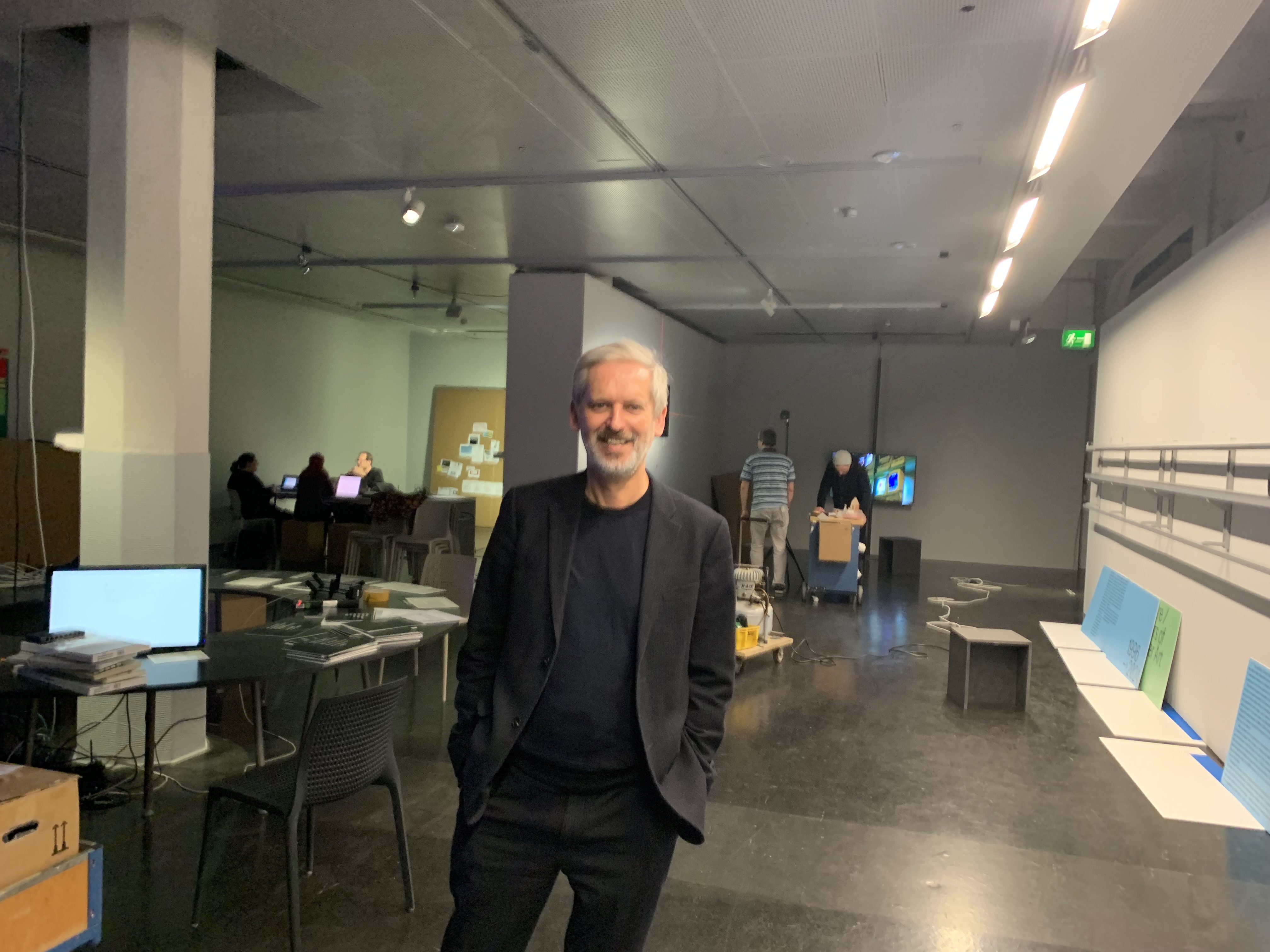
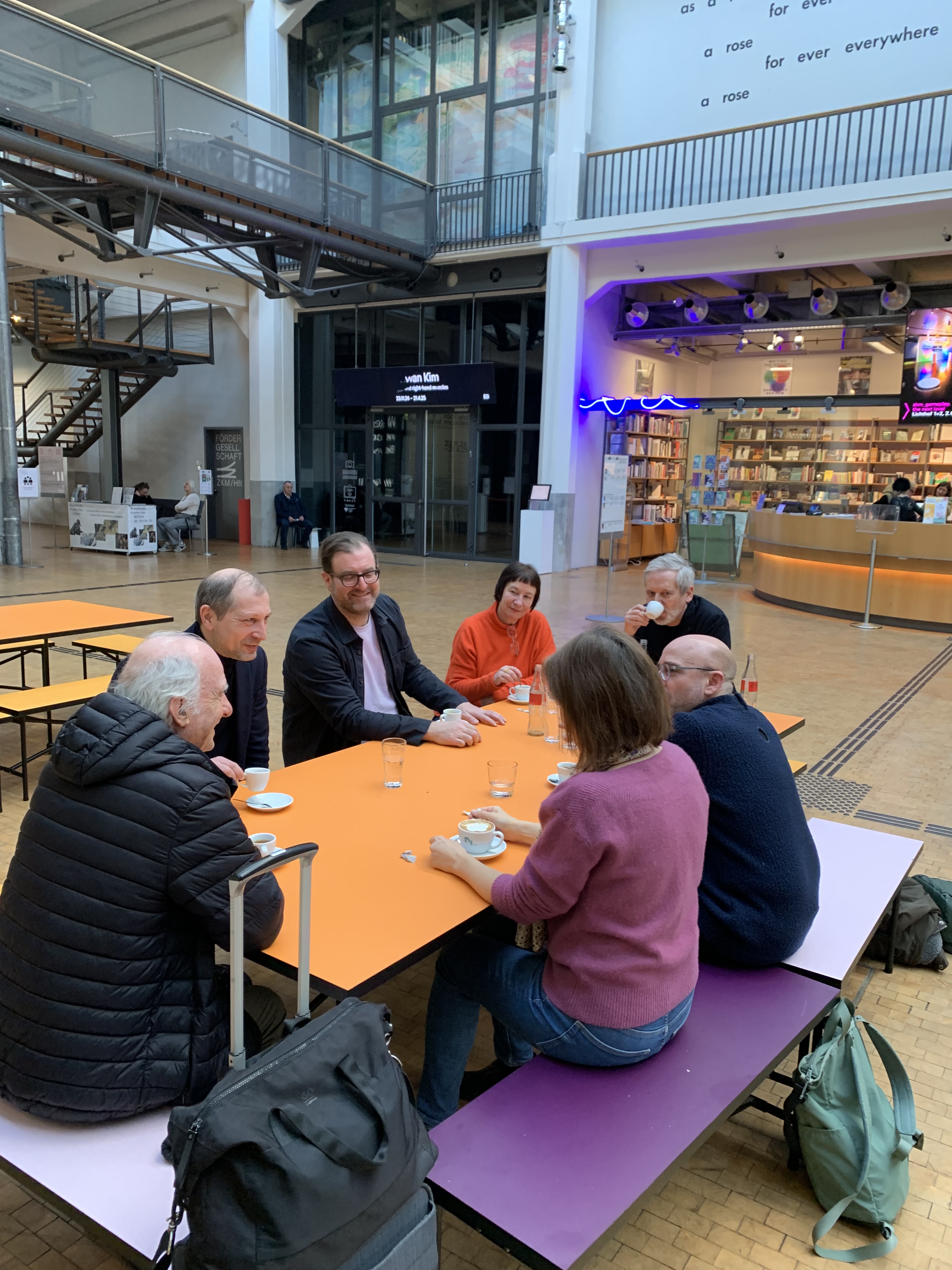
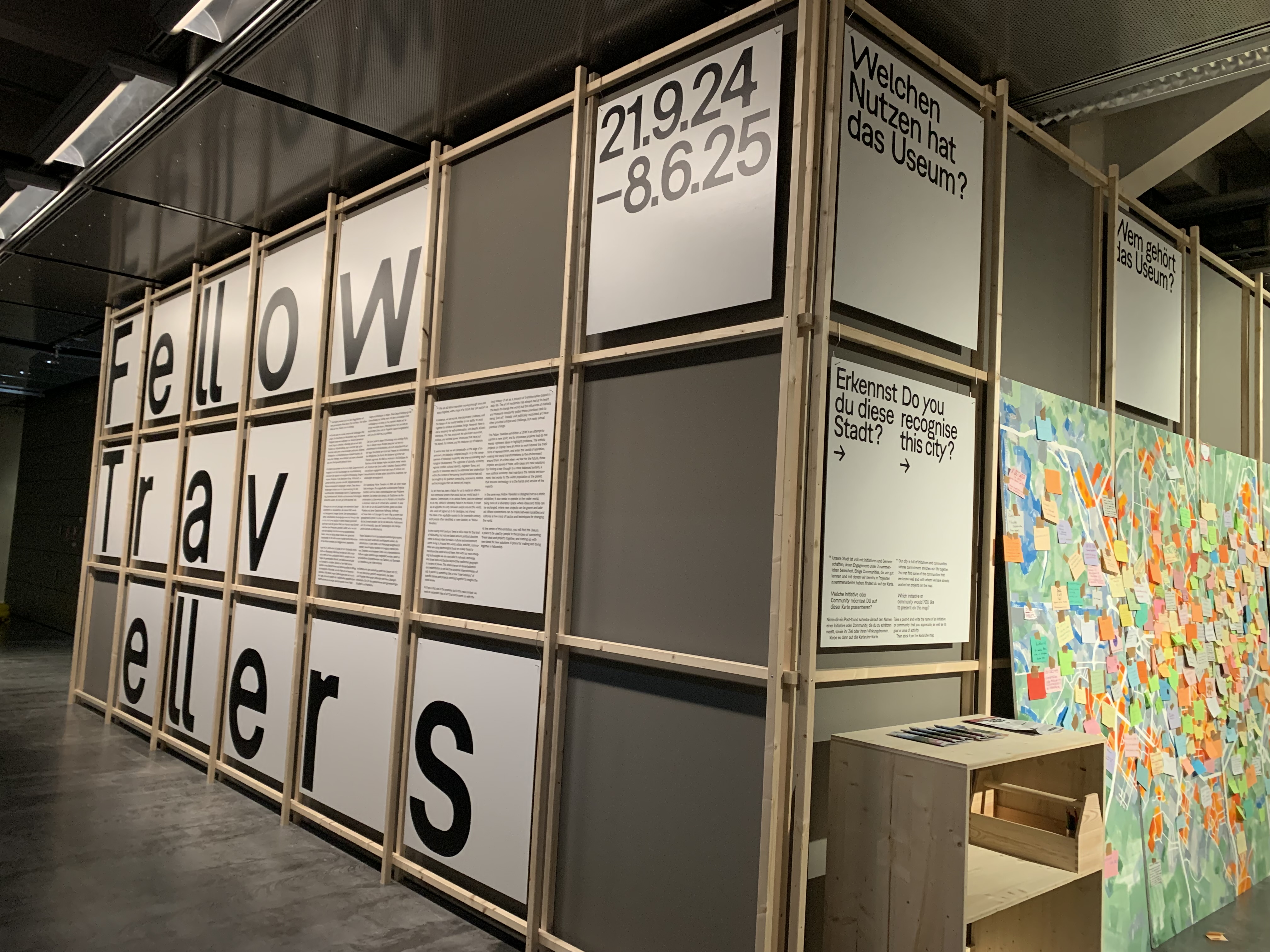
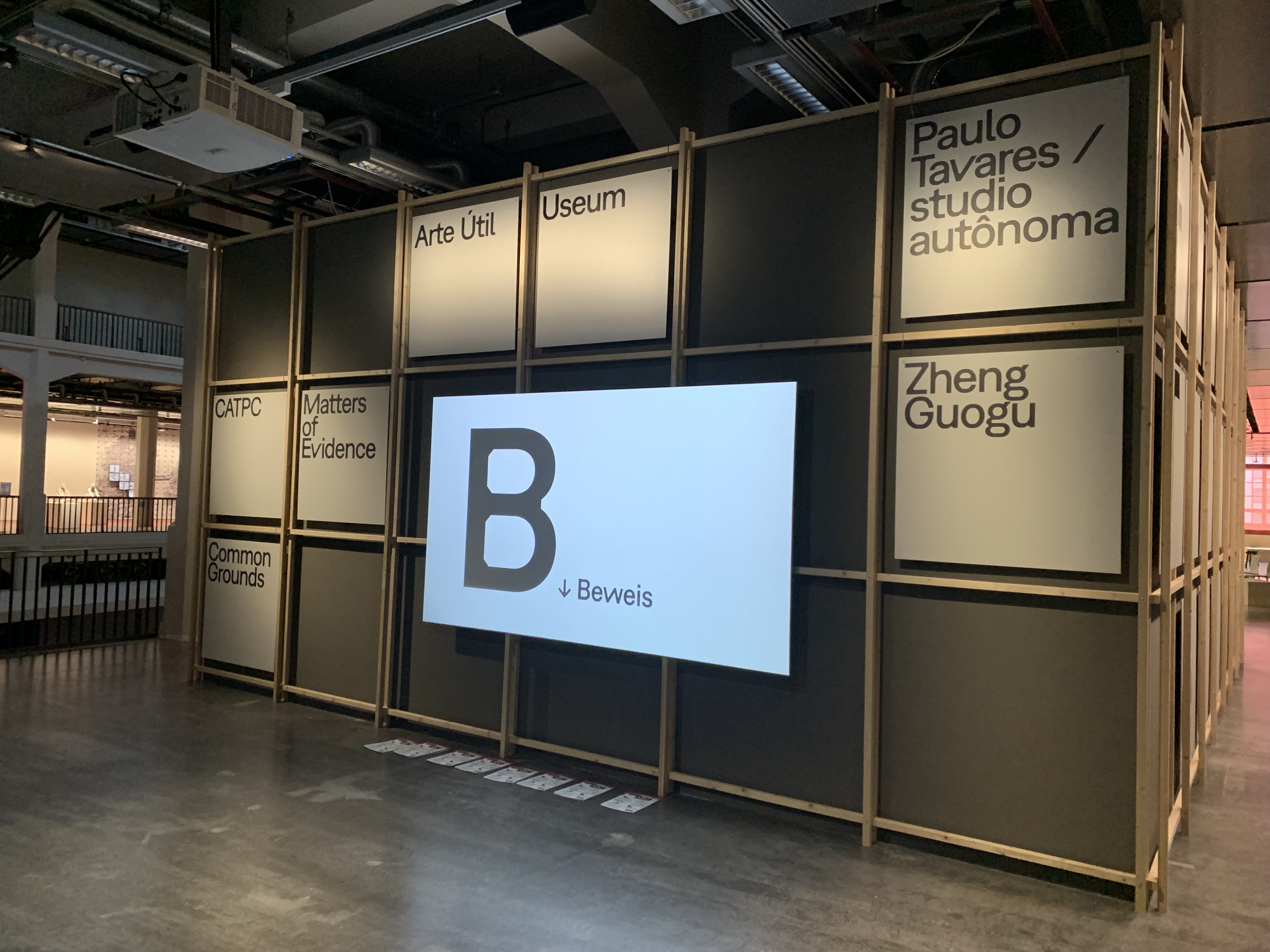
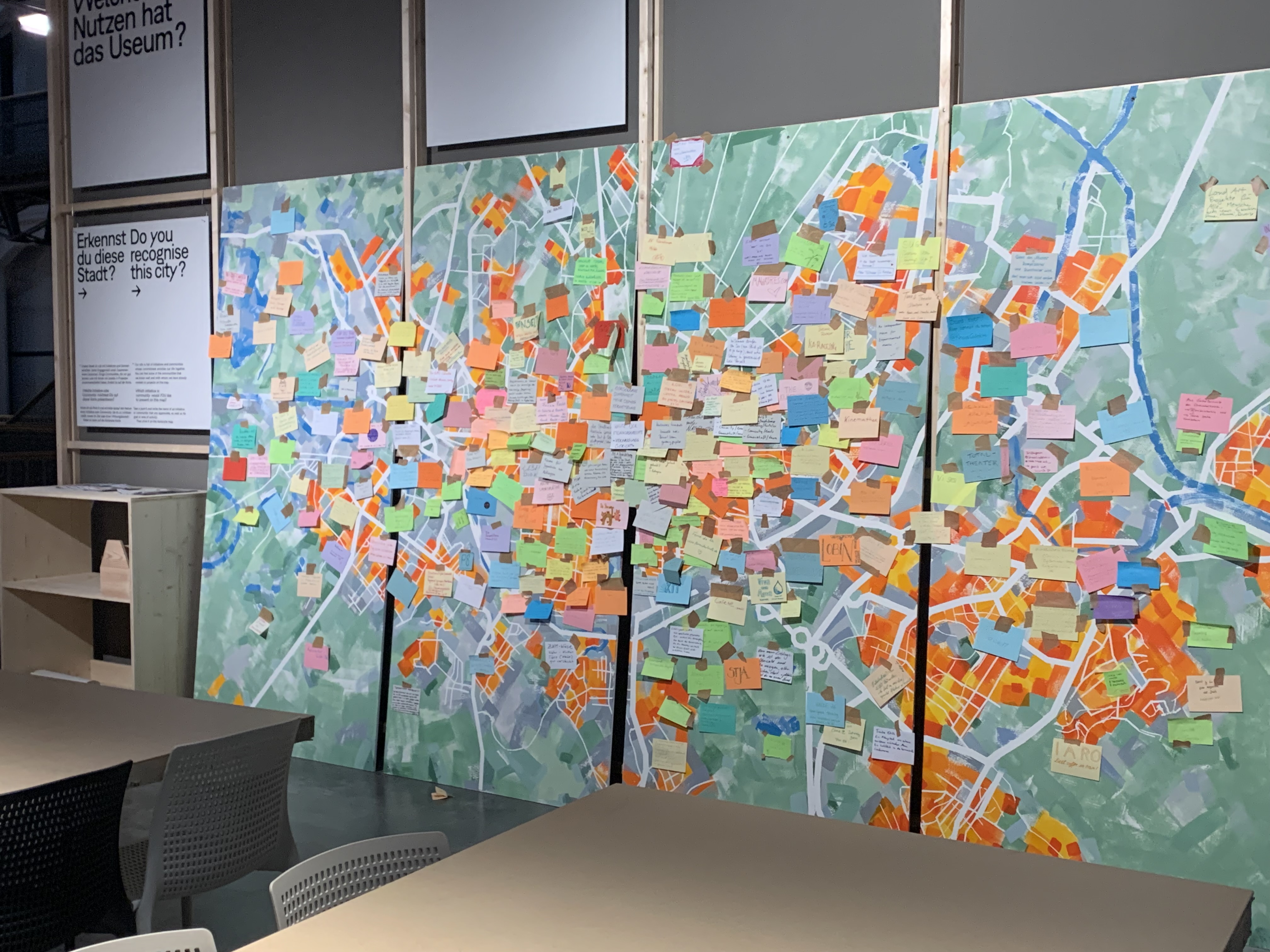
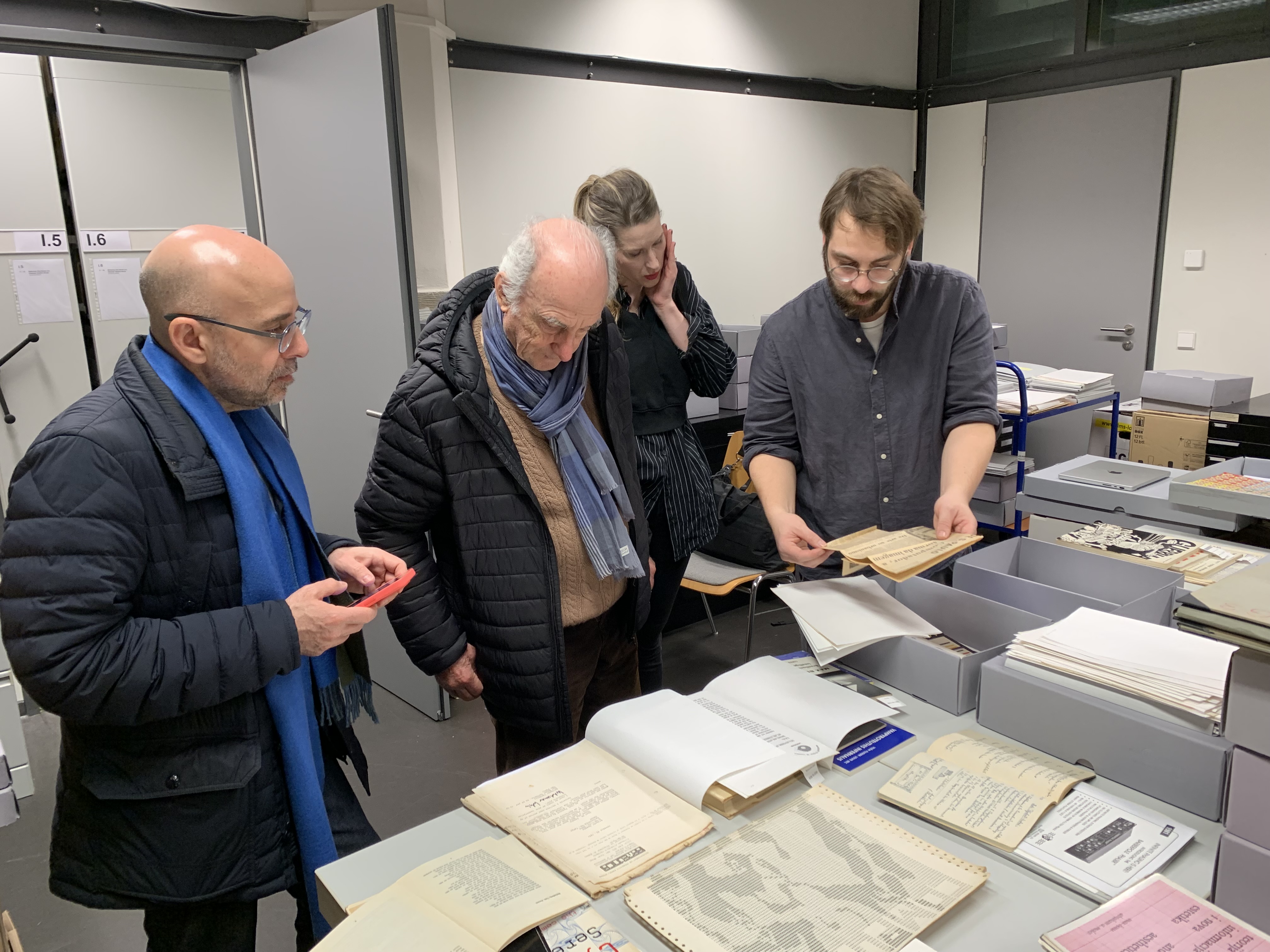
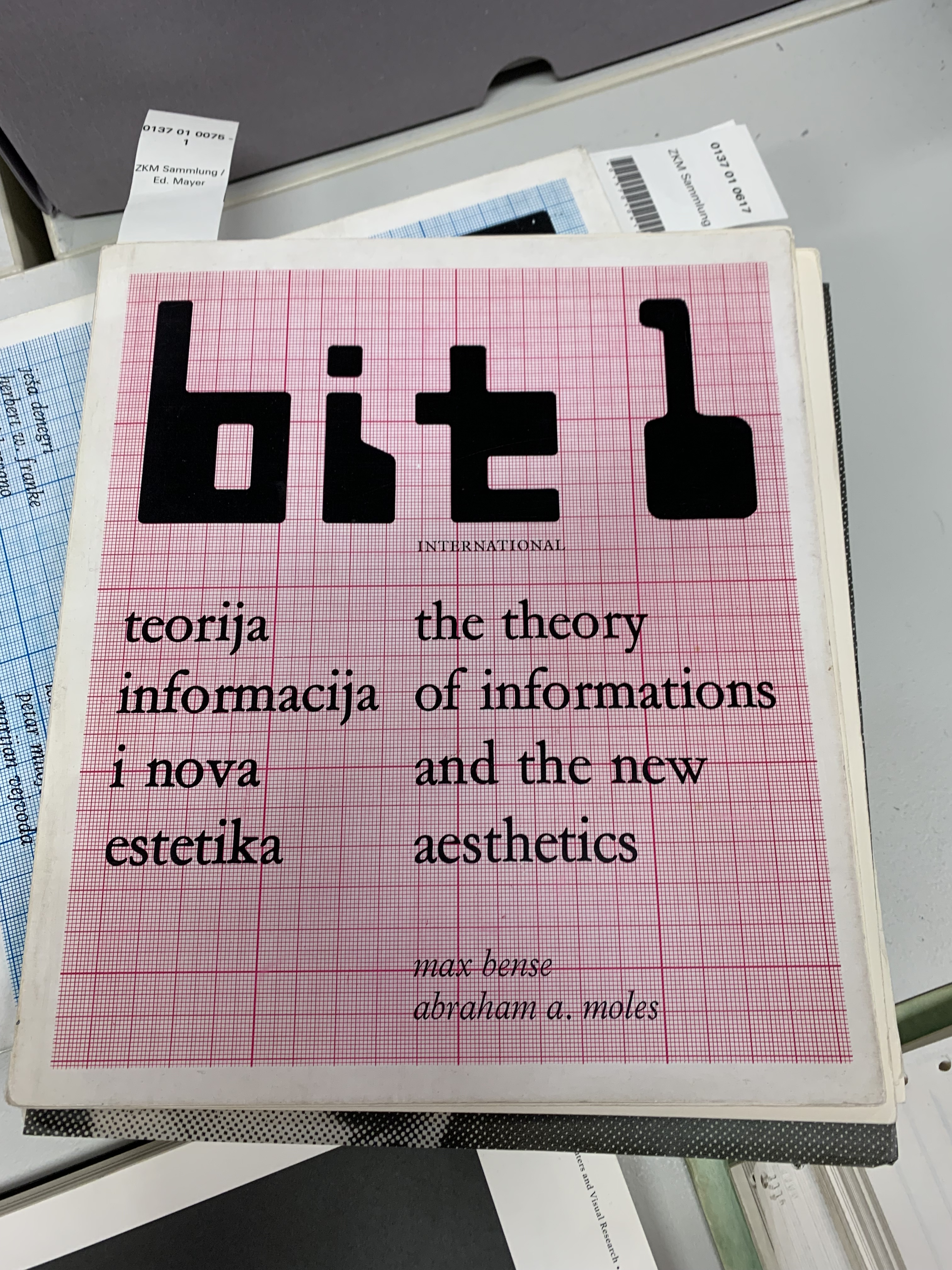
On 29th January 2025 I was able to pay my first visit to ZKM (Centre for Art and Media Karlsruhe)since my close colleague and longtime collaborator Alistair Hudson took over as their Scientific-Artistic Chairman of the ZKM. The purpose of my visit was primarily to look at the new developments that Hudson is instigating at ZKM via their ongoing ‘Fellow Travellers – Art as a tool to change the world’ exhibition. and was to meet staff at ZKM who might want to develop further collaborations around Useful Art, Technology and Social Change.
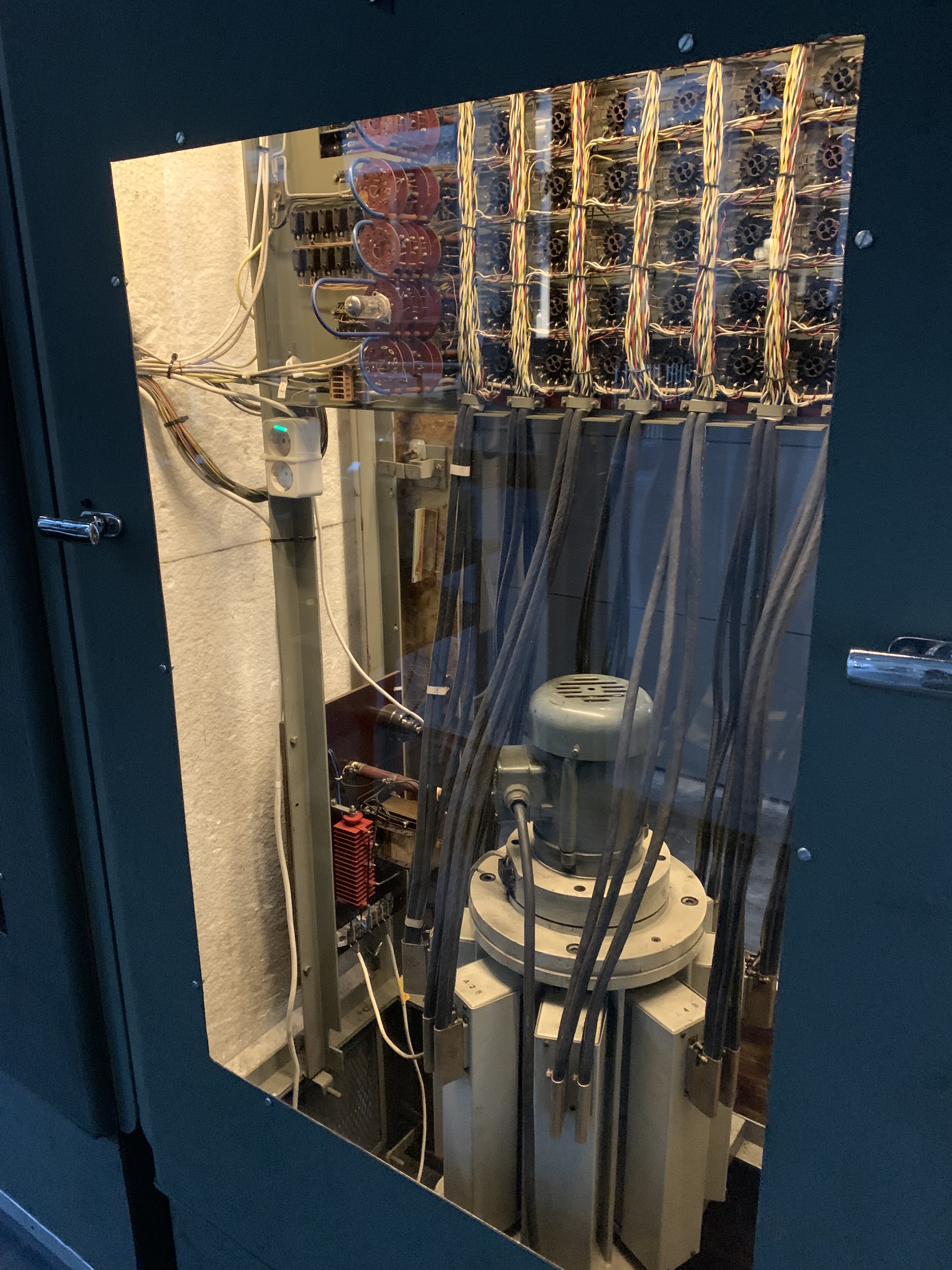
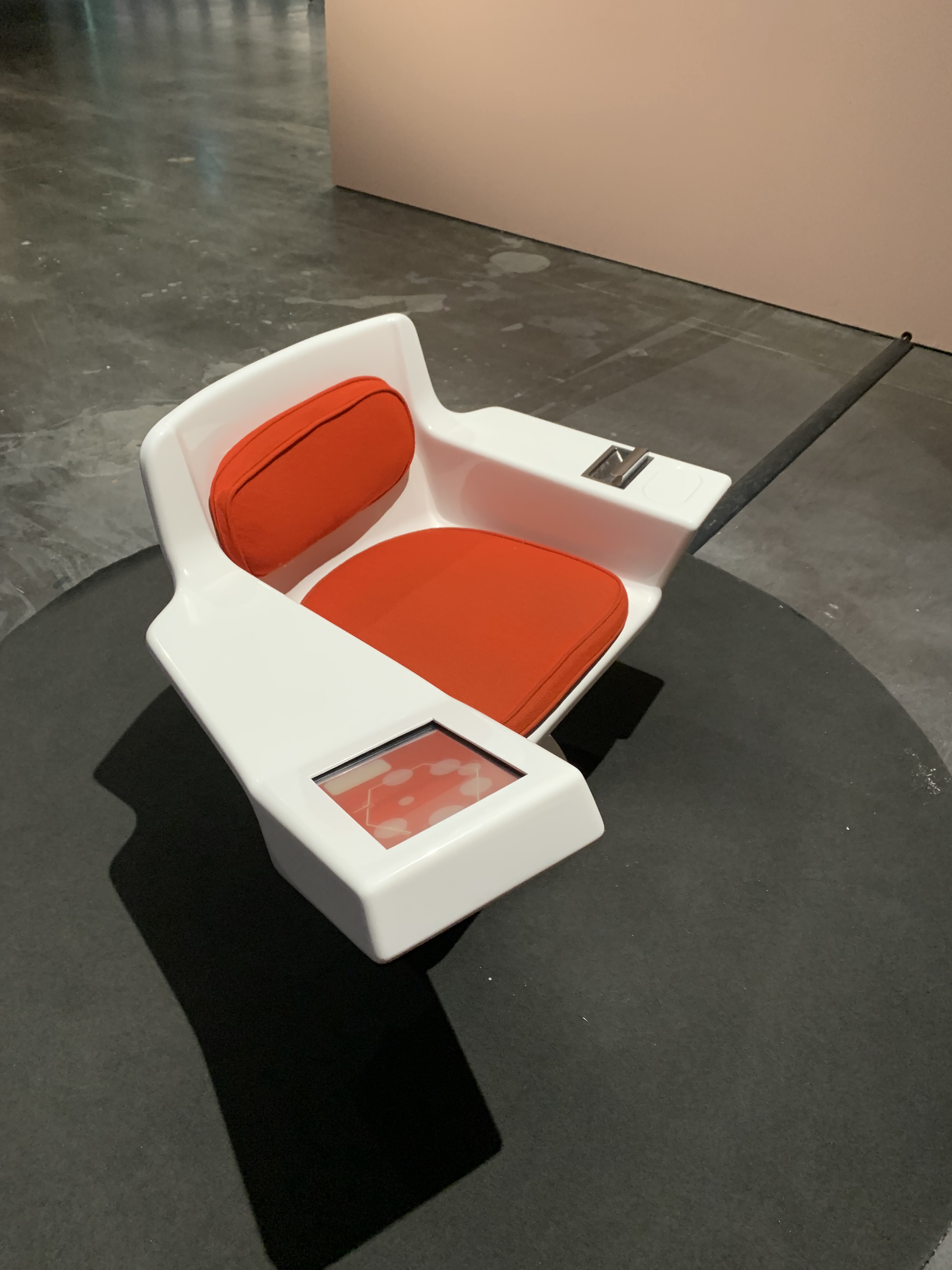
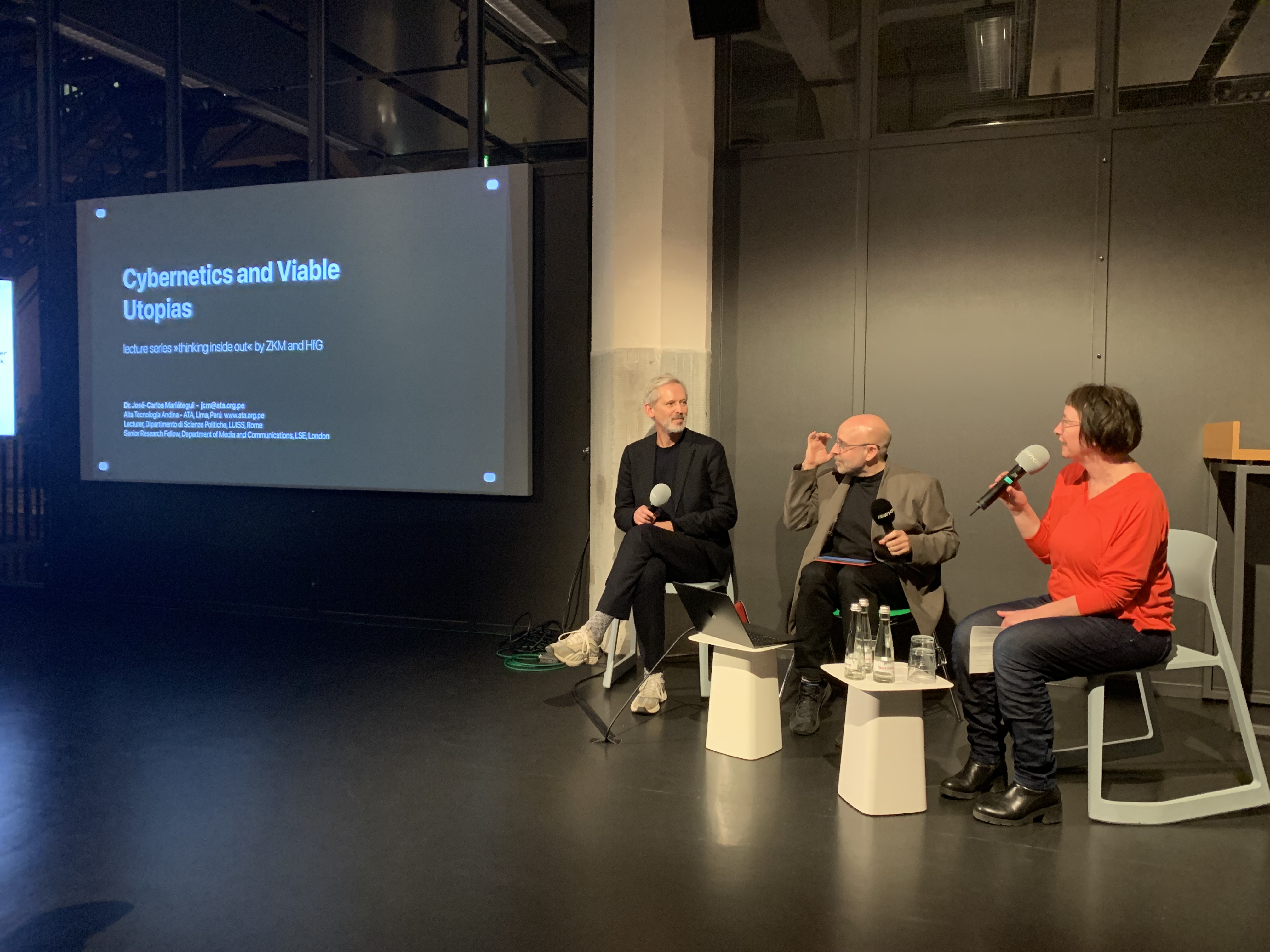
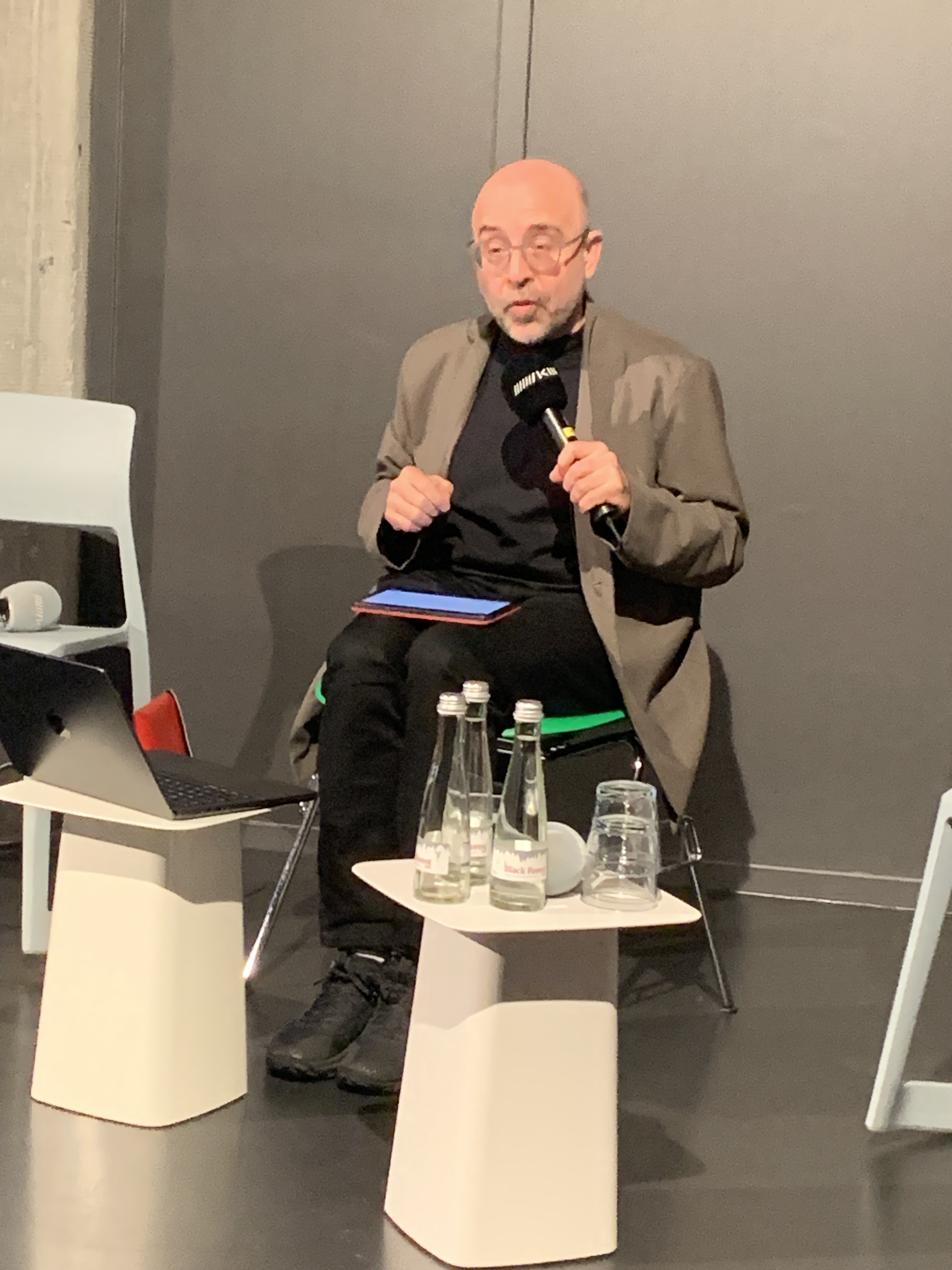
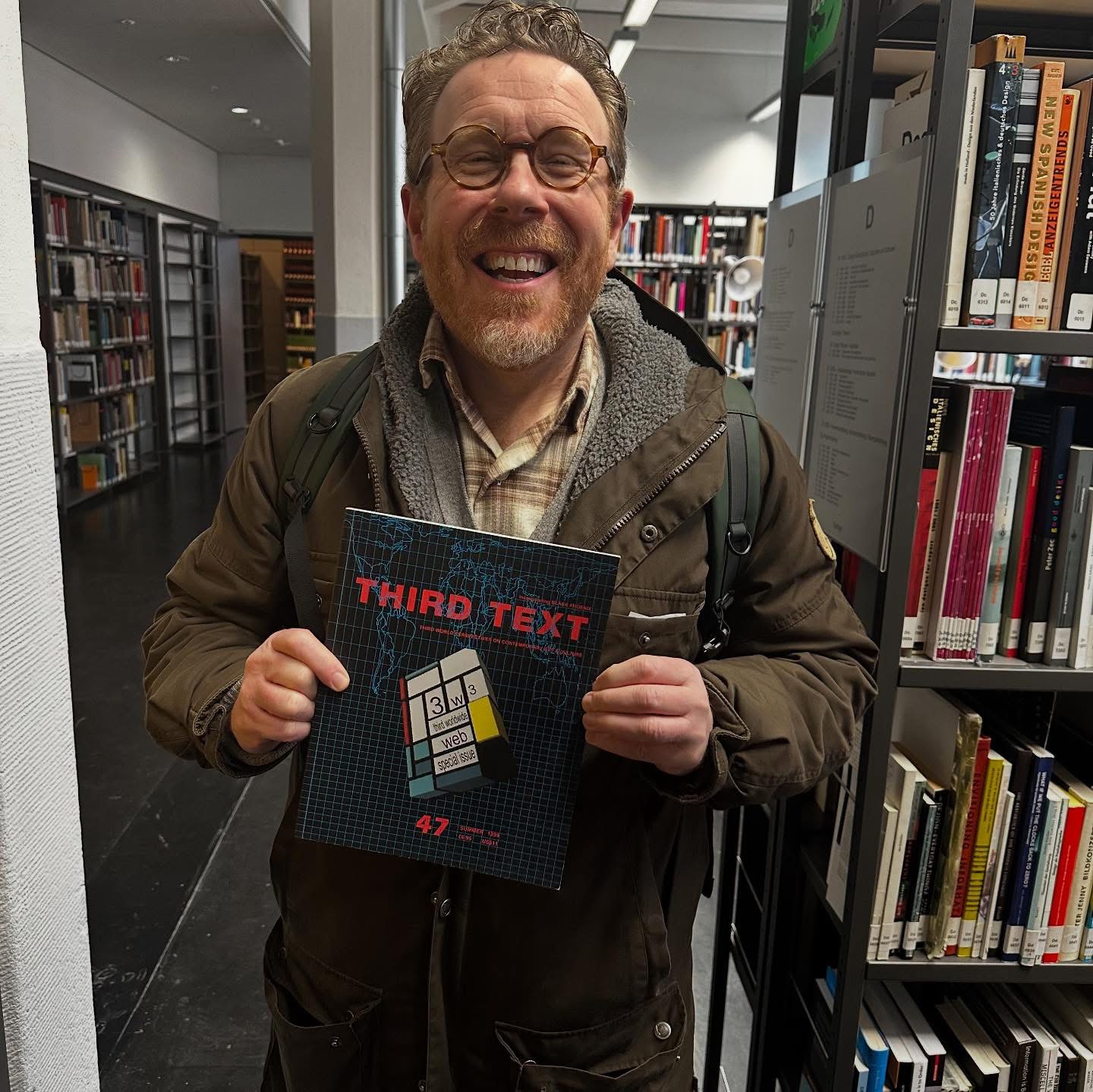
Whilst there, it was good to see a copy of the 1999 Third Text ‘Third World Wide Web’ special edition which has my article ‘Cybersublime: Representing the unrepresentable in digital art and politics’ (a pdf of which is on the ‘Writing’ page of this website). It was even nicer for the serendipities to follow as, after twenty-seven years to re-acquaint myself with the wonderful Dr. José-Carlos Mariátegui who was presenting his paper ‘Thinking Inside Out: Cybernetics and Viable Utopias’. Another of the key reasons I’d made a visit to ZKM was to discuss the possibility of a project that would use/re-activate LJMU’s Stafford Beer archive, especially the documents, videos and records we have pertaining to his famous ‘Project Cybersyn’ – which say Beer collaborate with the Allende government in Chilie to develop a decentralised operational communication system that, ultimately, would enable Chilie to be run by it’s citizens from the ground upwards.
I’d first met José-Carlos back in 1998 in Liverpool. I’d co-written the bid to bring ISEA (The International Symposium of Electronic Arts) to Liverpool and Manchester in 1998. As part of the ‘Revolution’ symposium in Liverpool I had curated the panel ‘Mediated Nations’ which , as well as José-Carlos’s paper ‘Techno-revolution’, contained contributions from Marguerite Byrum (John Hopkins) ‘A Manifesto for Electric Propagandists’, Dee Dee Halleck ‘Deep Dish Satellite Network’, Olga Kisseleva ‘Anticipated Future – Controller and Controlled: interchangeability’ and Hikmet Tabak who, as Director of MED TV – gave an Introduction to MED TV before a special live edition of MED TV’s Zaningeha Med (University Med)’ broadcast. As outlined in the introduction to my Third Text paper Representing the unrepresentable in digital art and politics’ “this took the form of a discussion programme focusing on the impact of technology on cultural identity. Using phone-in, fax and e-mail interactivity, guests in Med TV’s Belgian studios (who included the programme’s producer and host Joe Cooper, Gilane Tawadros, Director of in IVA, Mustafa Rasid, specialist in Kurdish Folklore and Computer Engineering and the artist Simon Tegala) were joined, via phone, by Professor Amir Hassanpour of the Department of Near and Middle Eastern Civilisation at the University of Toronto, and by Dee Dee Halleck and José-Carlos Mariátegui who phoned in questions from the panel session in Liverpool, UK According to the October 1998 edition of Med TV’s Sterka Med newsletter.


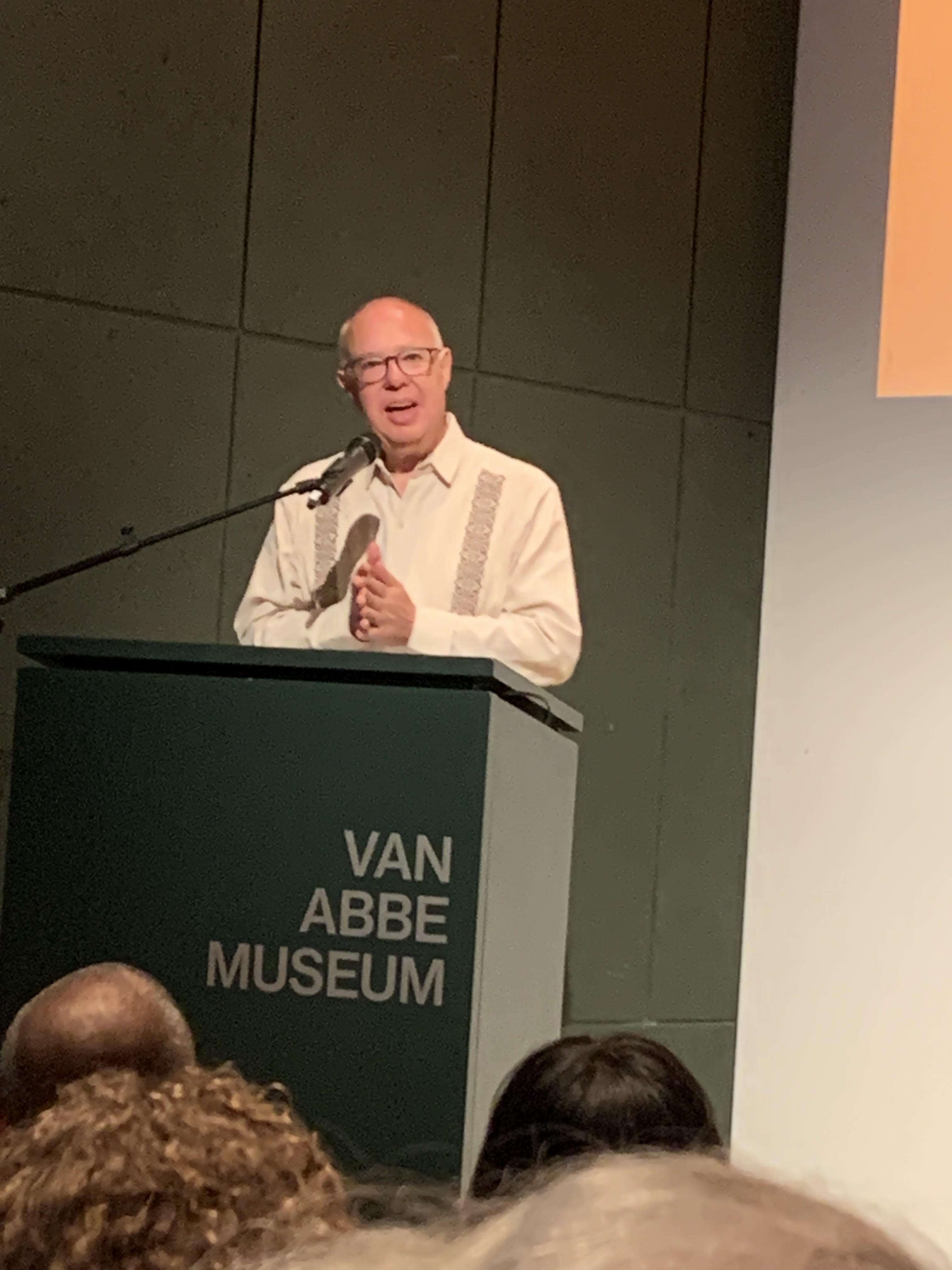
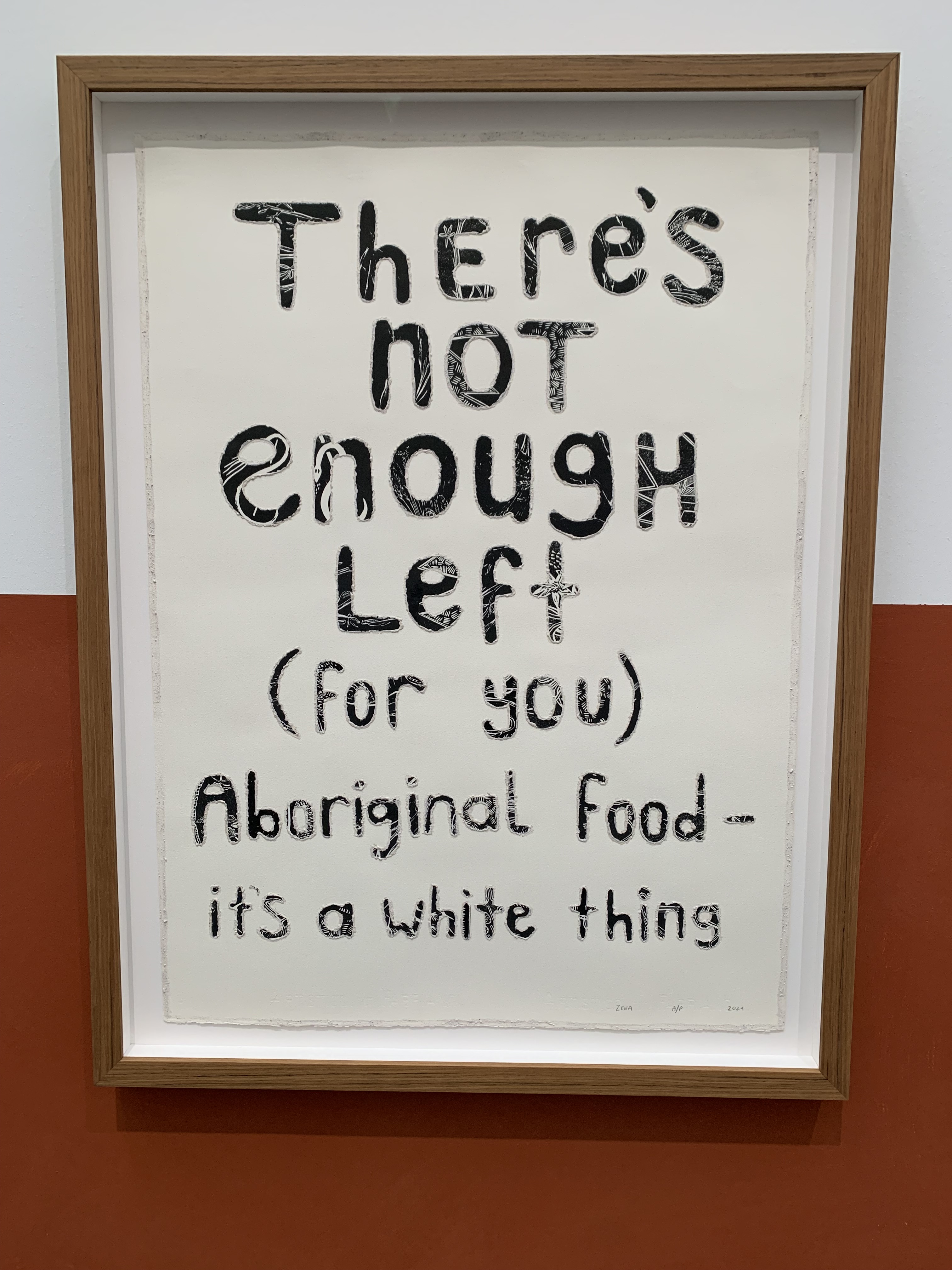
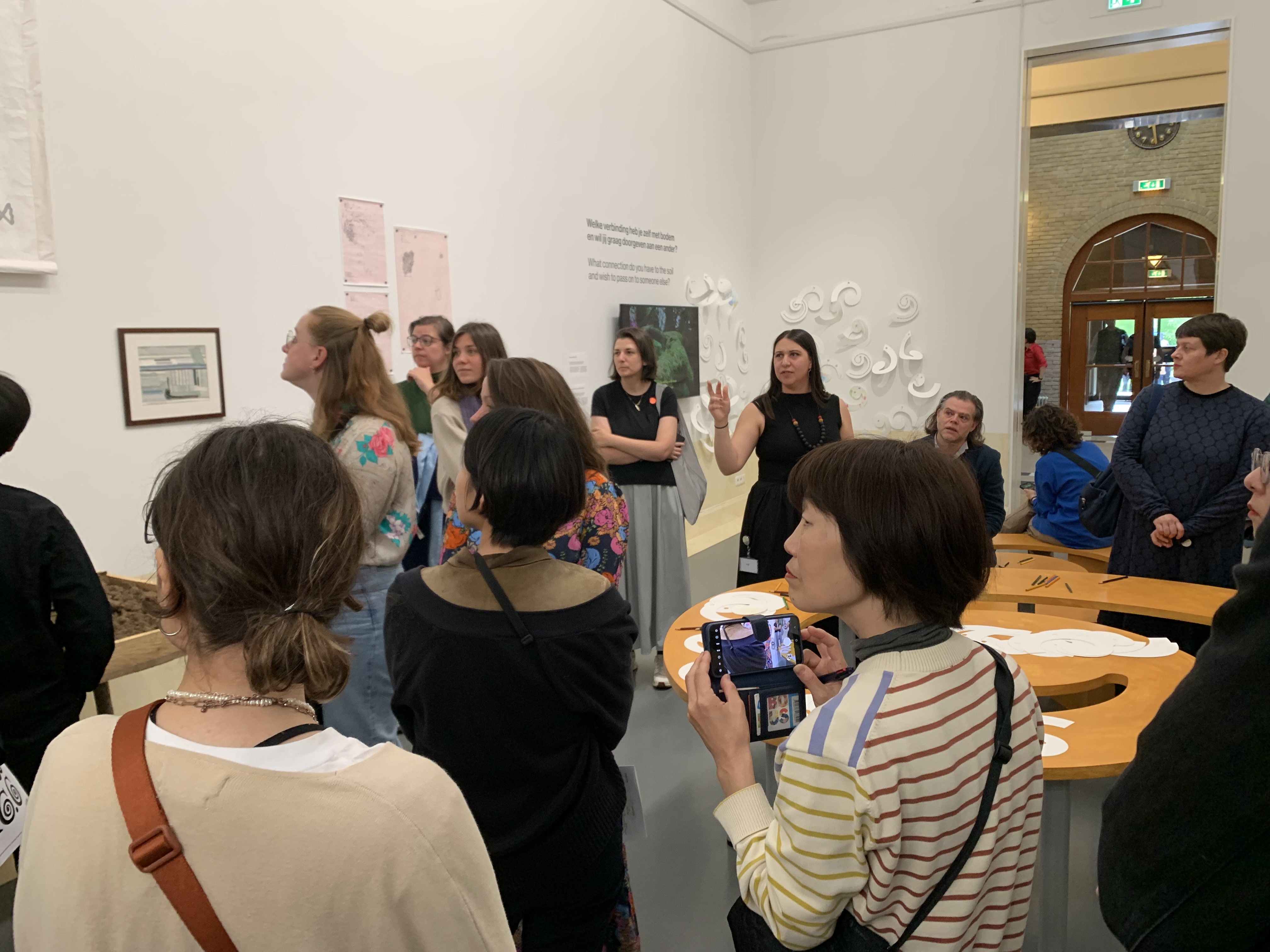
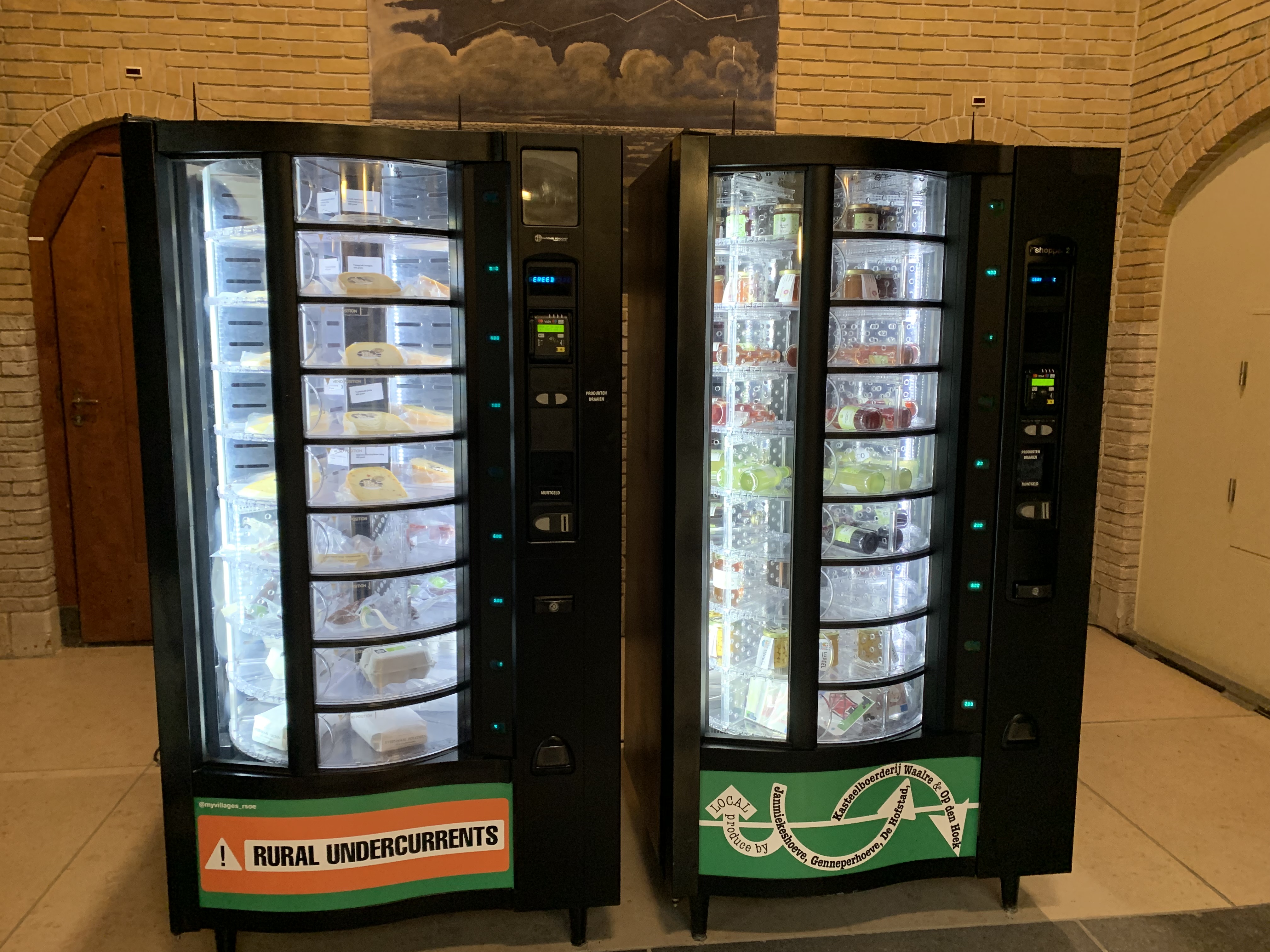
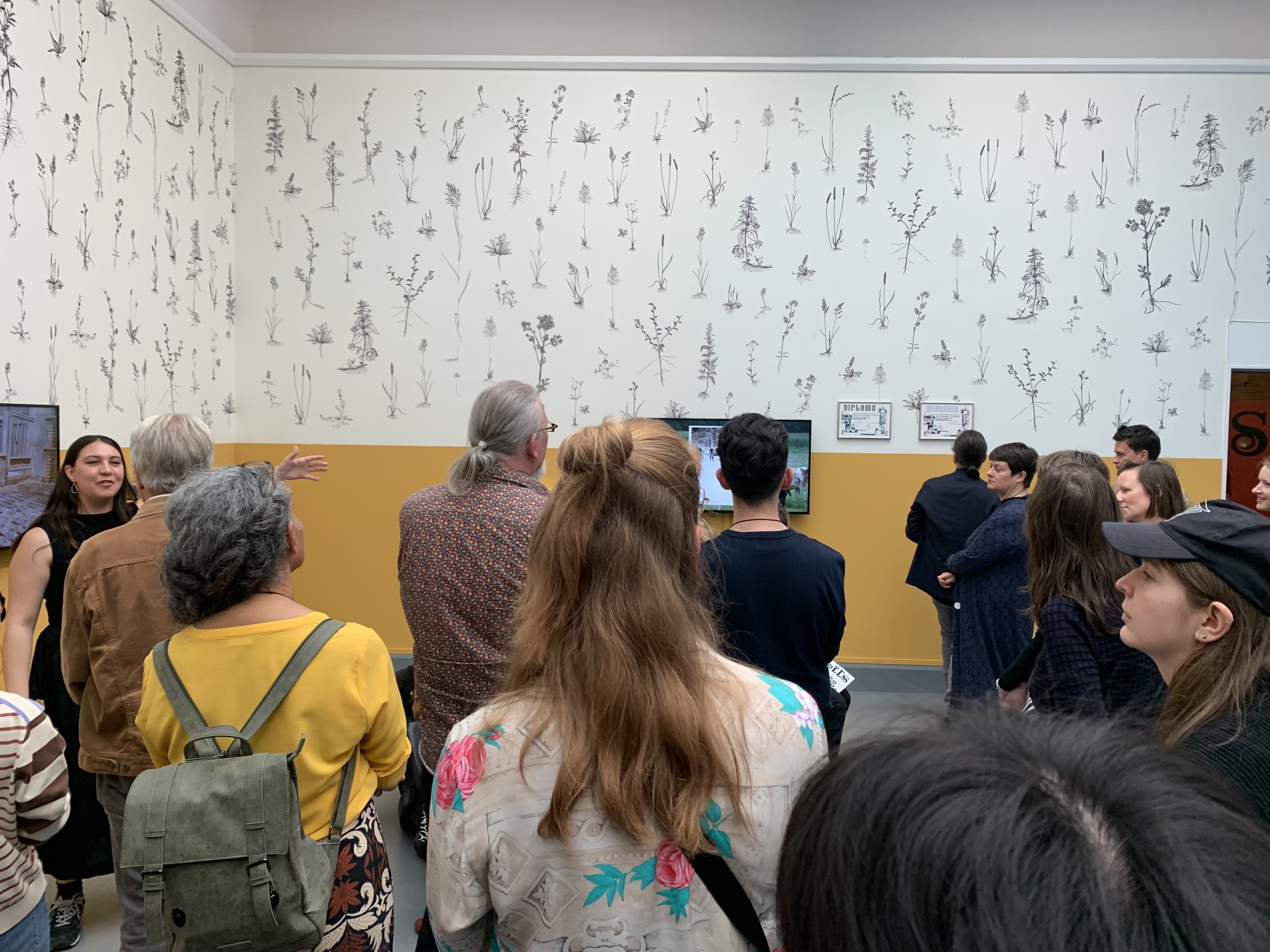
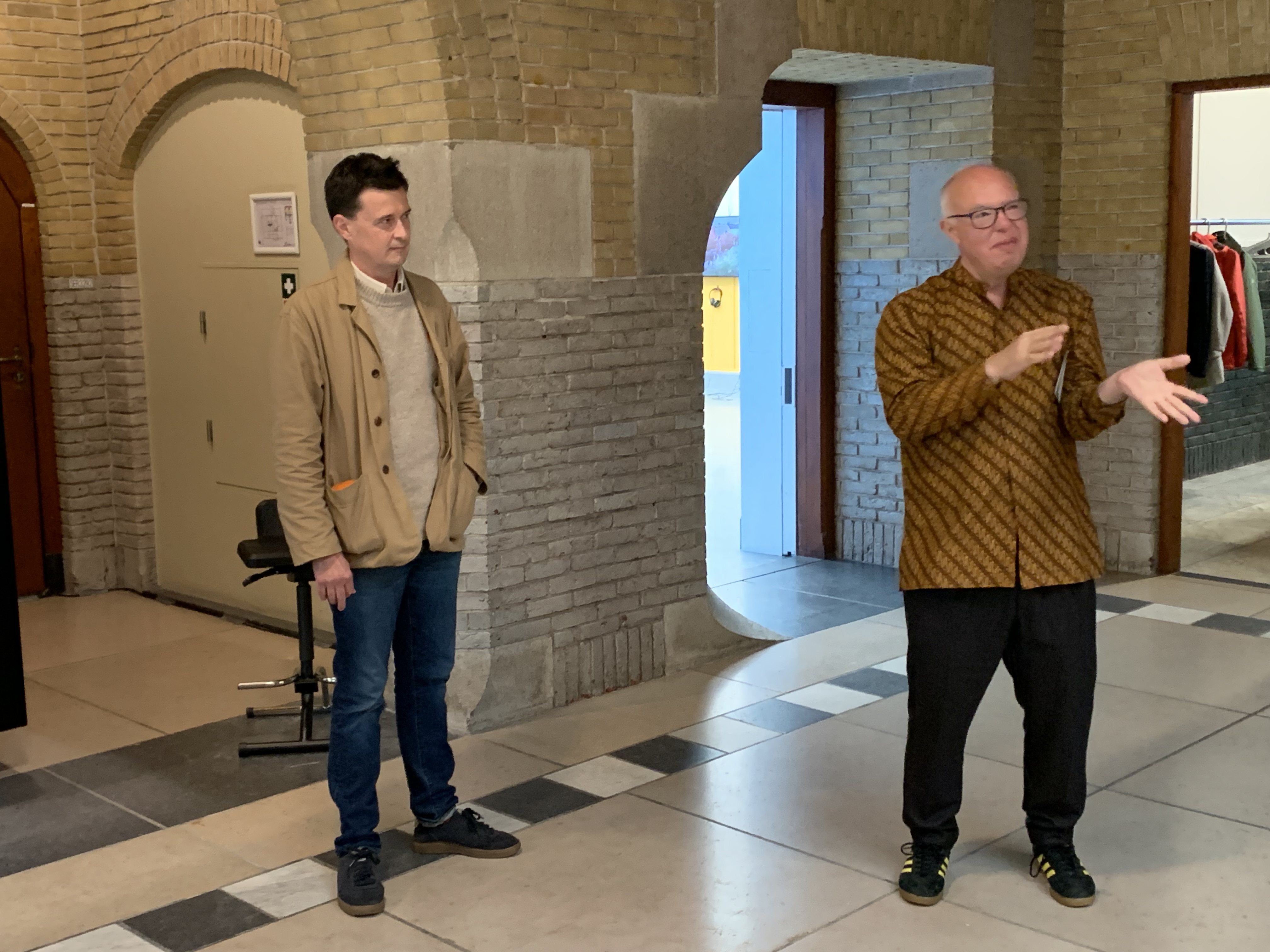
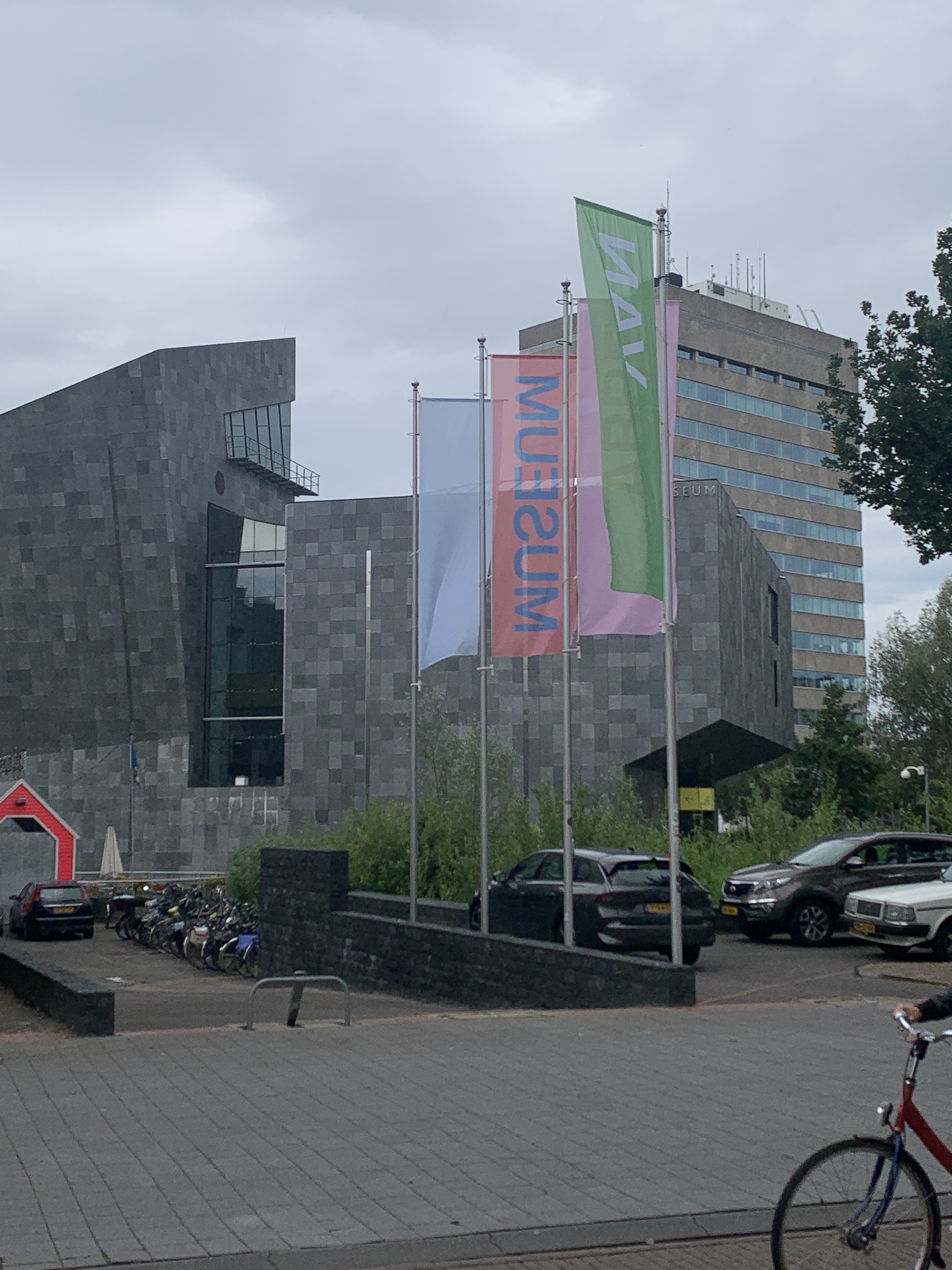
On 15th June 2024 I attended the opening of the ‘Soils’ exhibition at Van Abbemuseum. As this was the last exhibition at Van Abbemuseum that Charles Esche would host, it was made all the more poignant for me and, I’m sure, many others who attended. ‘Soirls’ itself cambe about slowly, evolving over eight or so years from different conversations, points of view, positions and debates that arose from and intersected through many other events and projects that the Van Abbemuseum has been involved in. As such it was a fitting end to Esche’s 20 inspirational years at the help of Van Abbemuseum whilst, at the same time, marking new beginnings for how museum exhibitions might be parts of longer, more entangled process of discourse, resistance and joint activism.
The name of the exhibition came from the proposal, made by Palestinian writer and mathematician Munir Fasheh, that there are four ‘soils’ which are fundamental and core to our life on Earth. For Fasheh these four soils are earth soil, cultural soil, communal soil and affection-spiritual soil. Nurturing these soils together, for Fasheh, is fundamental for the care and nurture of the planet, and for our complex co-existences to be sustainable and nourishing to each other.
As such, ‘Soils’ took as its starting point the literal soil that we stand on, the physical soil that underpins our local specificities and nuances, but which is also shared by all living beings. As the foundation of our lives ‘Soils’ reminded us that the very ground beneath our feet is the place to build upon the histories of our ancestors and to grow the dreams of our future generations. However, the exhibition also took on our contested, violent and extractives relationships to soil. From mineral extraction, depletion, overproduction, land grabbing and the exploitation of labour, ‘Soils’ set out to remind us all of our responsibilities to dig where we stand and to contribute, wherever we are, to both the geopolitical and local, urgencies which face us.
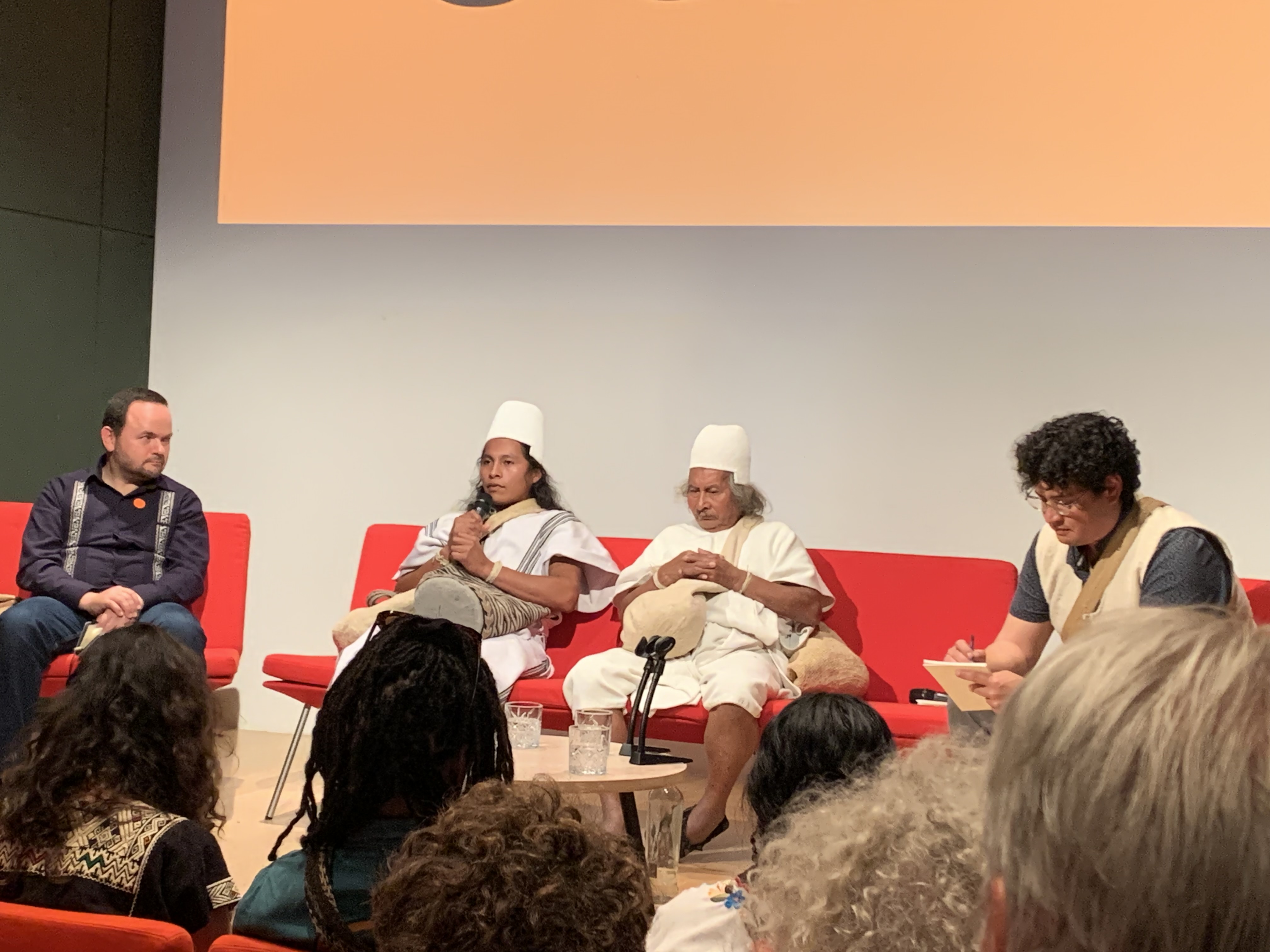
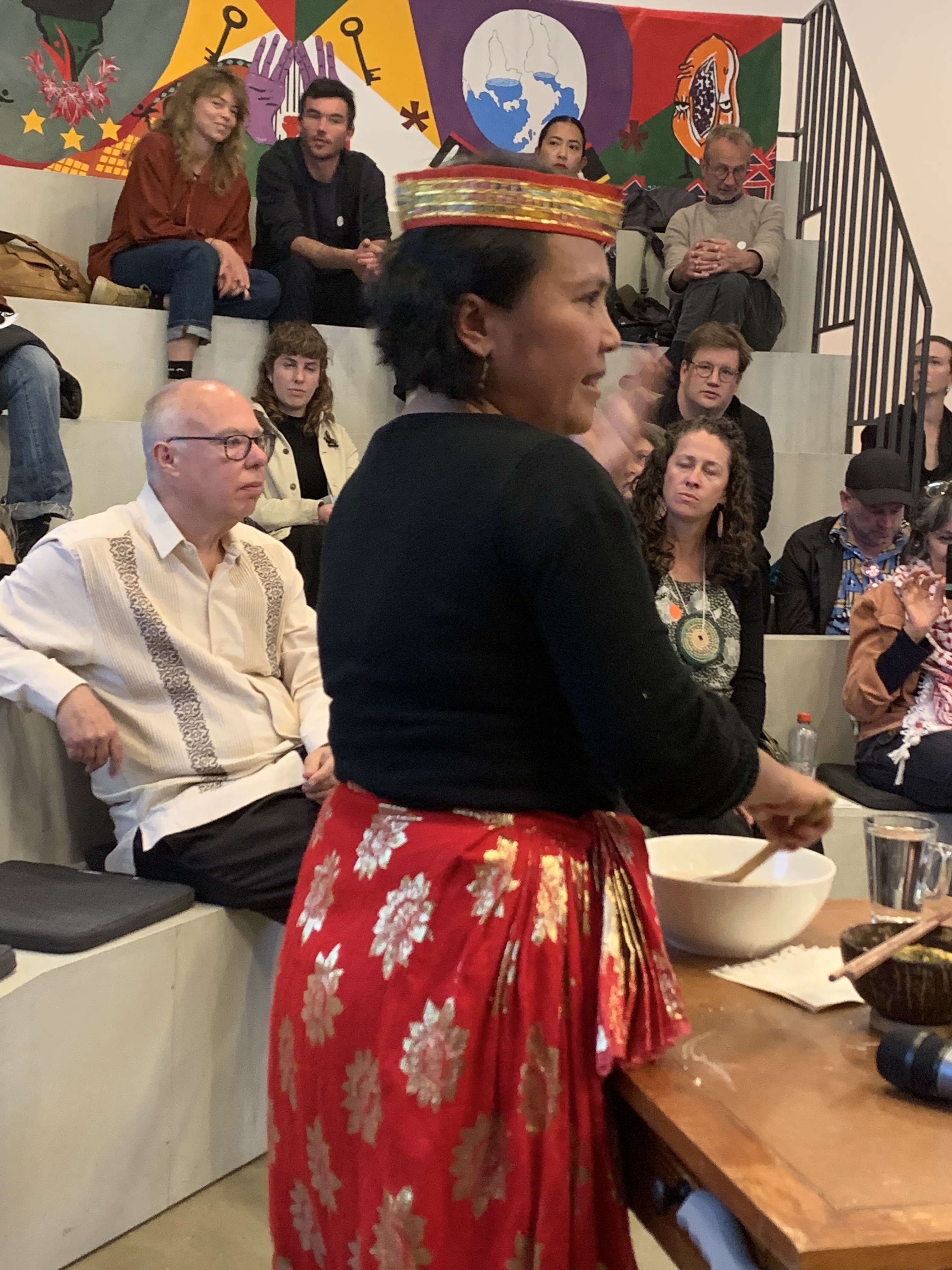
For me, this was encapsulated during a talk, taking place in the Van Abbemuseum’s ‘Museum as Parliament’ installation by farmer and activist Valiana Aguilar. As part of the farming collective Suumil Móokt’aan, which reactivates ancient Mayan principles of farming and sustainability to remind us that there are other ways to be tougher today, Aguilar talked about the role of sharing, growing, cooking and the importance of the kitchen as a place where identities and communities are formed. In doing so, Aguilar reminded us that contested sites of gender, class and exploitation, often exemplified on a domestic level in the west through ‘the politics of the kitchen’, could be reconfigured and reactivated as sites of communal activism through cooking and sharing. ‘The revolution, Aguilar reminded us, ‘will be delicious’!






From February to June 2024 I was able to take a research sabbatical. More specifically, after a competitive process I was awarded a Liverpool John Moores University/Faculty of Art and Professional Studies sabbatical in 2023 to write a book on Useful Art with Manchester University Press (MUP). The sabbatical will give me the opportunity to sift through almost two decades of projects, involvements in and writing/thought processes about Useful Art. I have wanted to develop a more accessible book on Useful Art, one which non-art specialists and non-academics alike could ‘use’ as a means to rethink their relationships to art, activism and ground-up micro-resistance. I also proposed to MUP that I wanted to write a book which both informed readers about Useful Art whilst, at the same time, would act as a kind of activist manual on how to use Useful Art. Emma Brrnnan, who is Editorial Director at MUP, has been incredibly helpful with developing my pitch to MUP and, also, with developing a hybrid contemporary history/manifesto/user manual approach to the book.
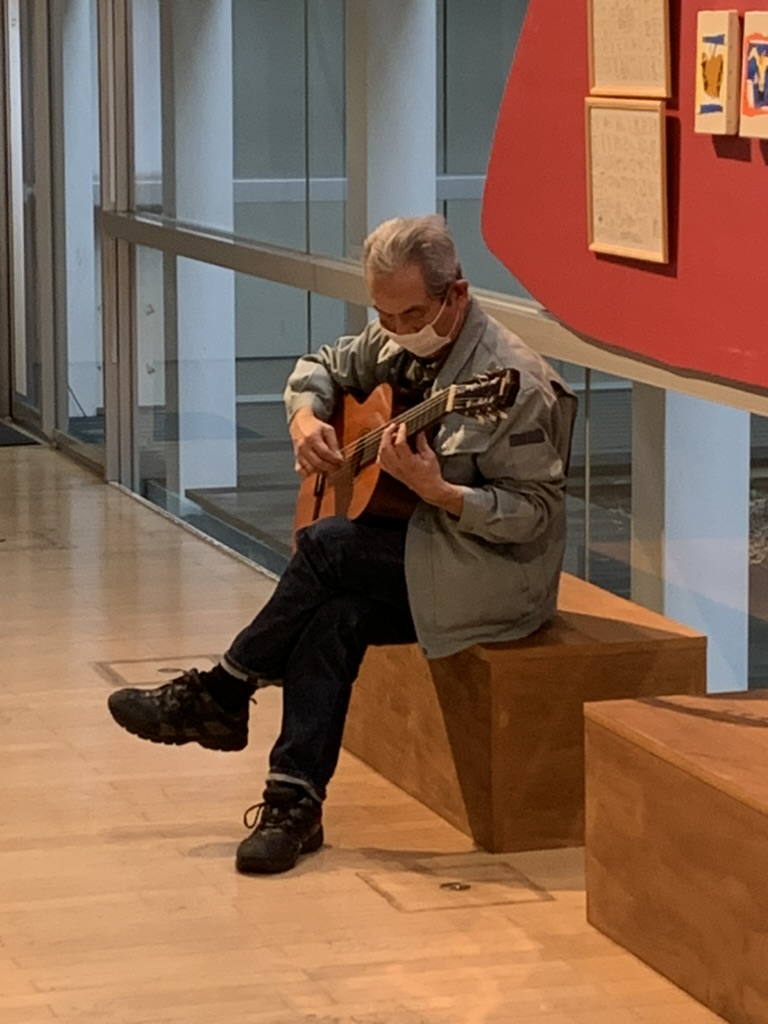
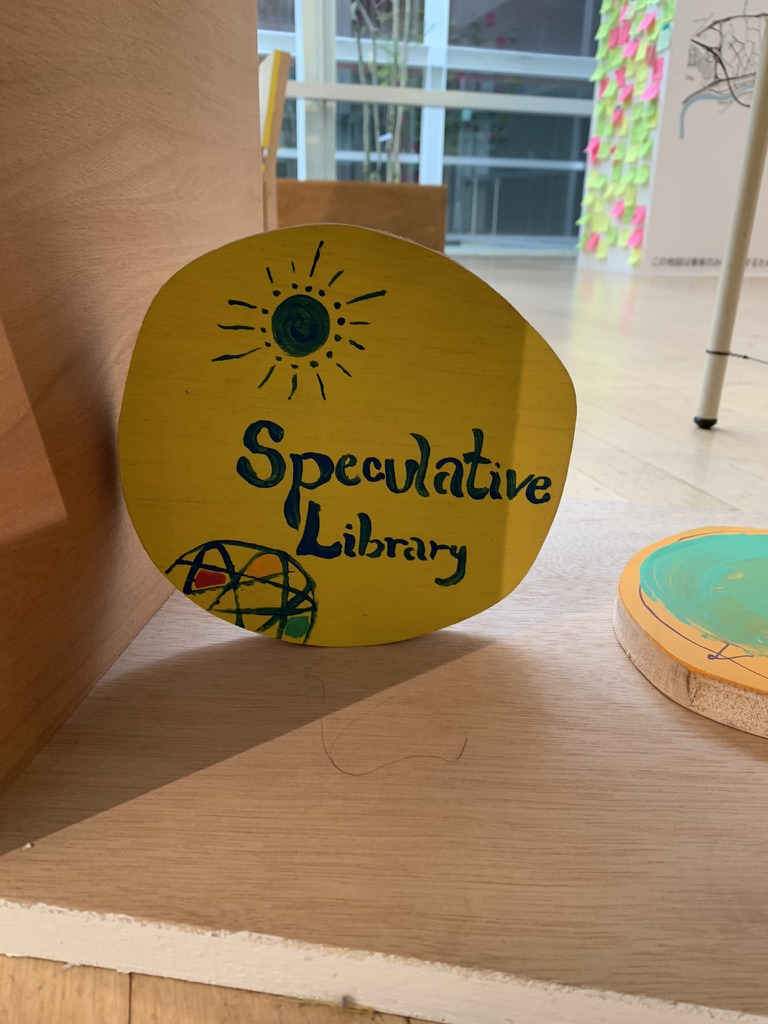
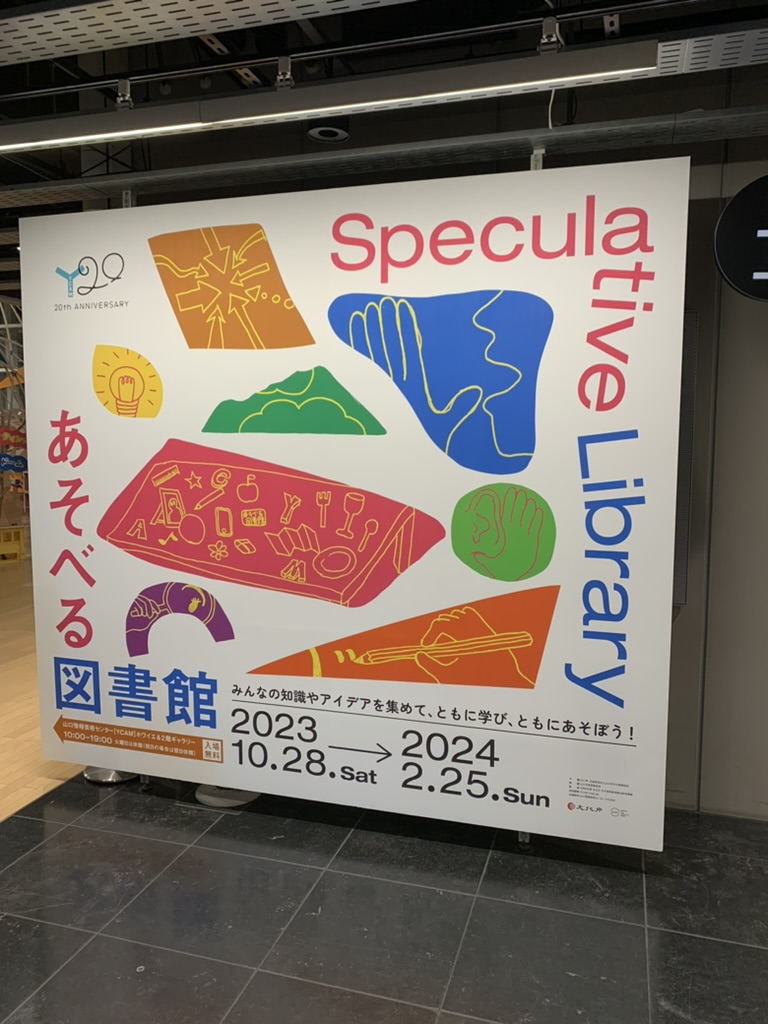
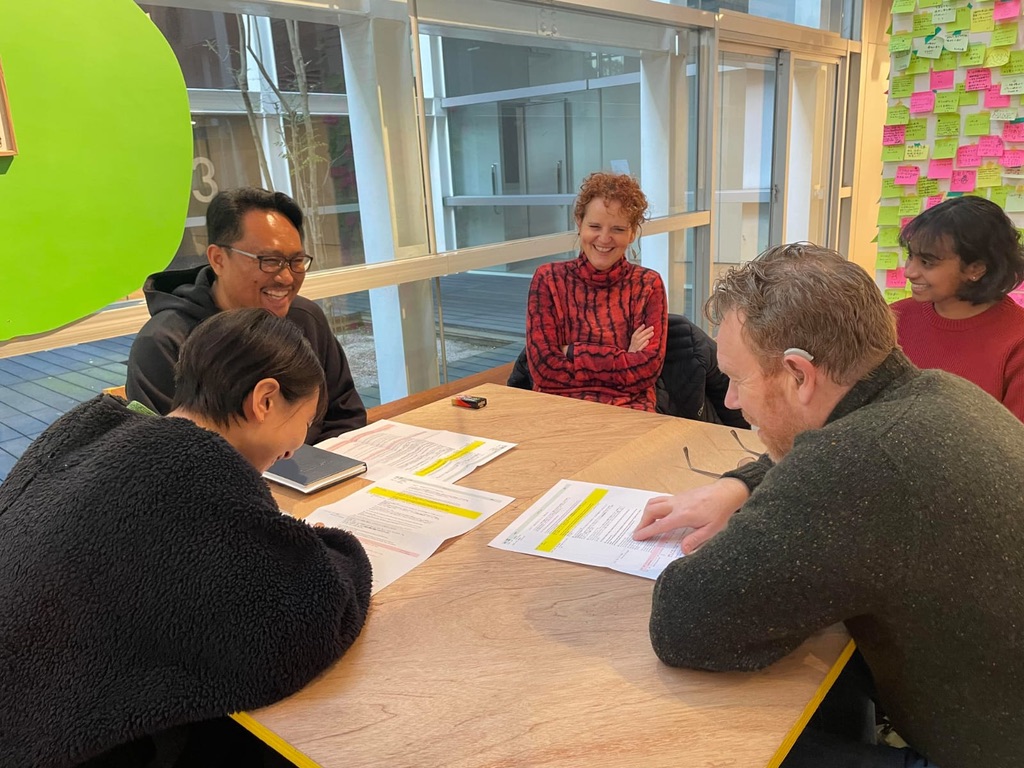
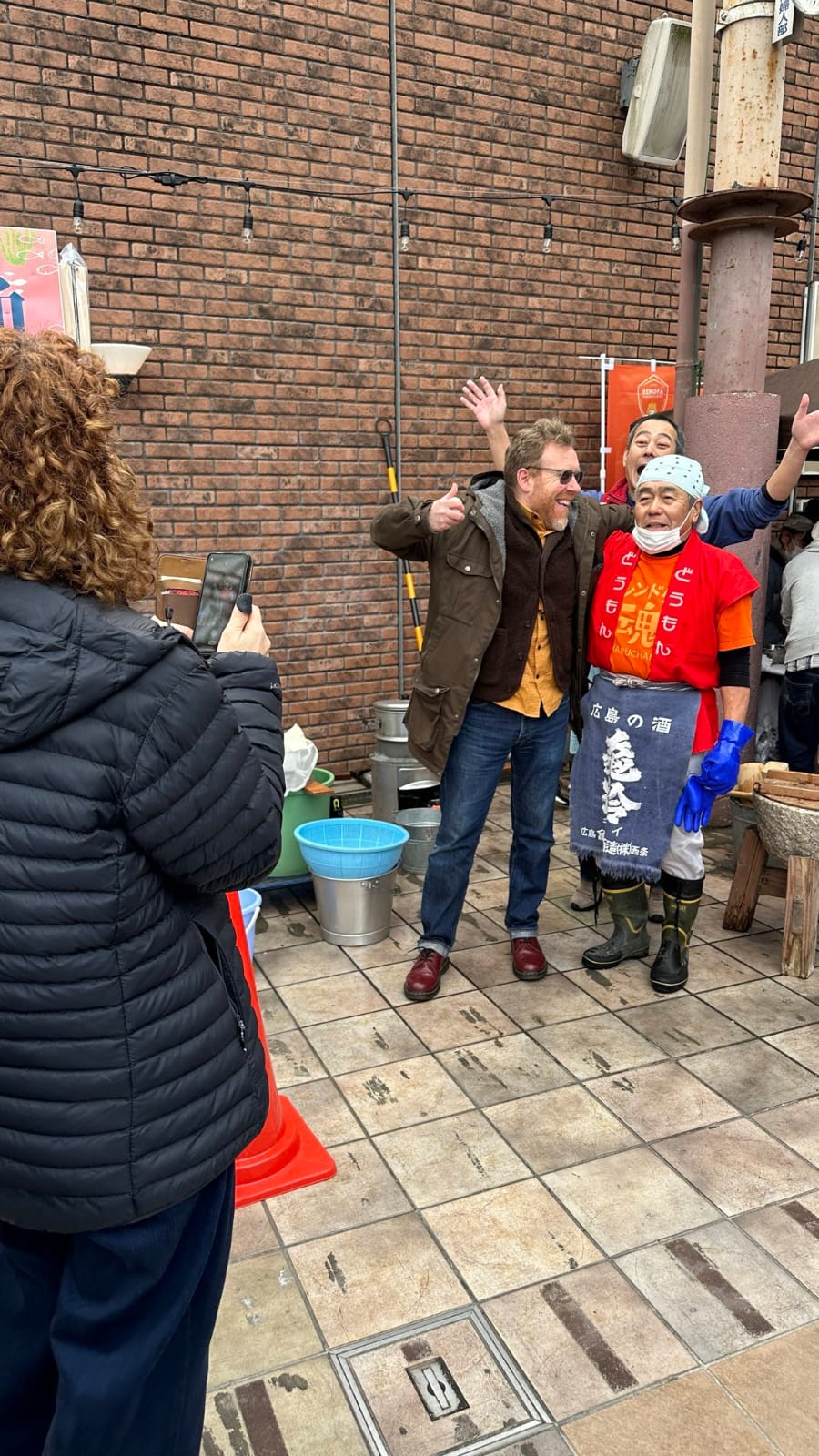
From Saturday 27th January to Sunday 28th January 2024 I was lucky enough to be invited back to Yamaguchi Centre for Arts and Media to take part in the remarkable project ‘Speculative Library’ which had been developed and initiated by Barto Bartolomeous and his Team as a project that would invite local constituents to both re-imagine what YCAM (Yamaguchi Centrer for Arts and Media) could be whilst, at the same time, giving them the tools that would enable them to become active users of YCAM rather than passive spectators.
On Saturday 27th I was able to deliver a talk, as part of the Speculative Library’s ‘Let’s Think Together’ series. I took Tŷ Pawb a key example of a multi-use arts and culture space, embedded within a close-knit community, that activated Useful Art as a means to rethink what sustainable constituent culture could become. This revolved around reframing ‘play’ as a way to approach the space – where play is no longer confined to an activity set aside for children, but a cradle to grave right for constituents and users to experiment and reimagine themselves and their communities via the resource of Tŷ Pawb.
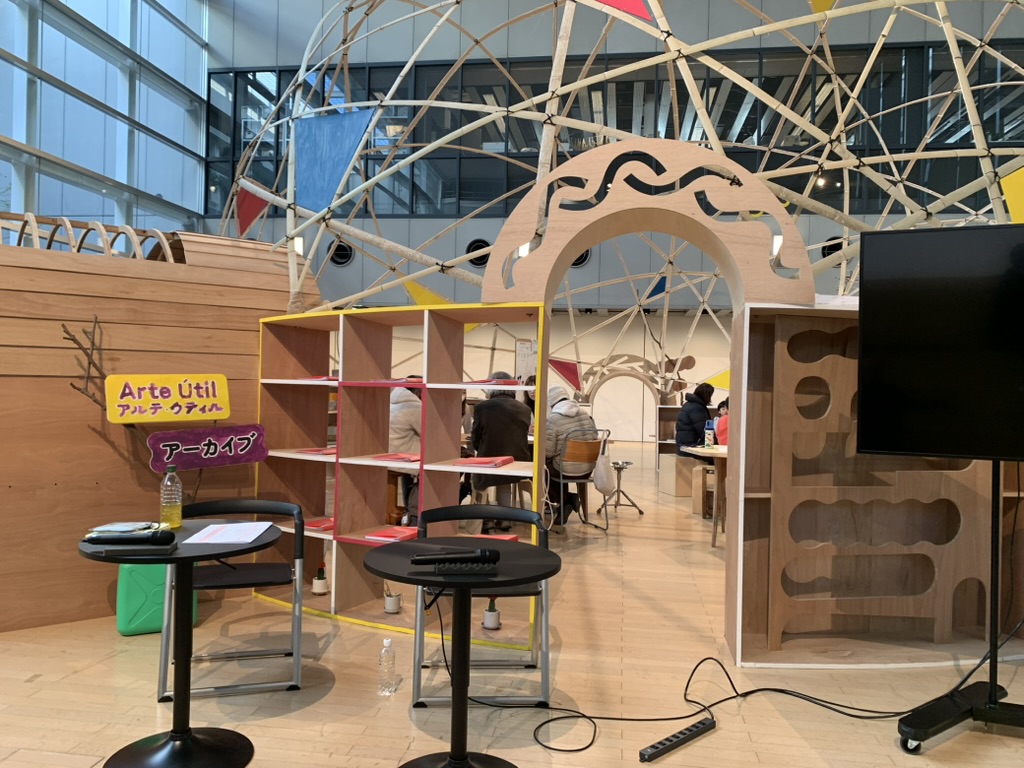
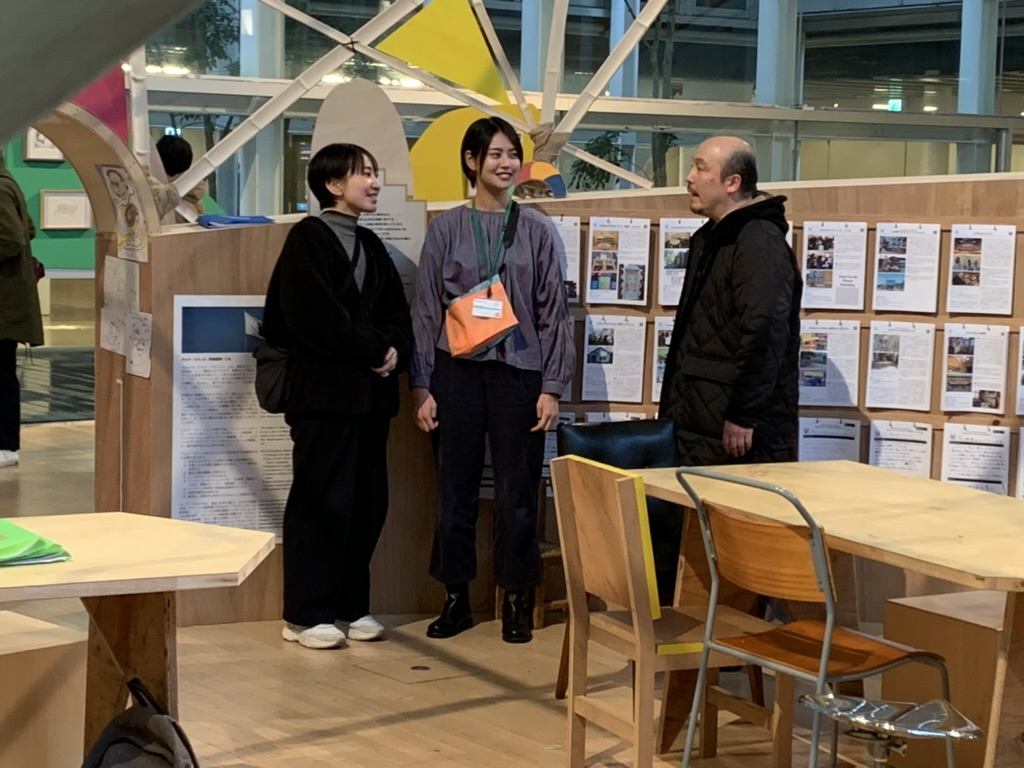
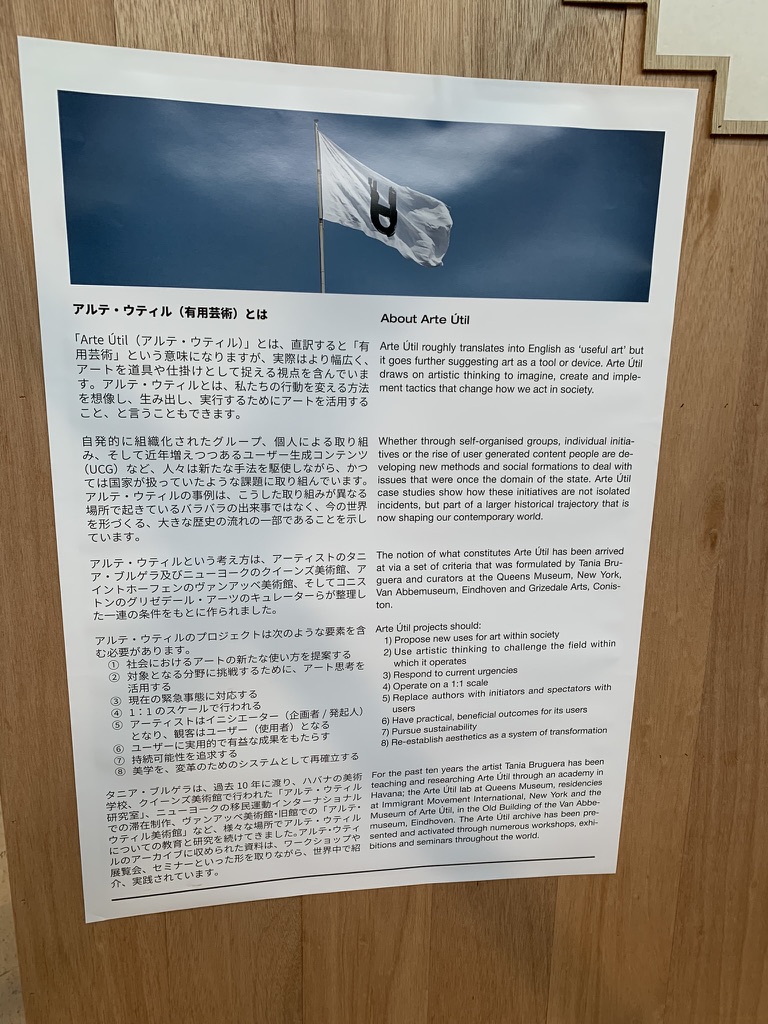
This was followed on Sunday 28th January when I was invited to participate in an Arte Útil Workshop at YCAM. This was part of a series of Arte Útil Workshops which allowed participants to use YCAM as a space in which to discuss social problems and generate ideas using examples for the Association of Arte Útil Archive.













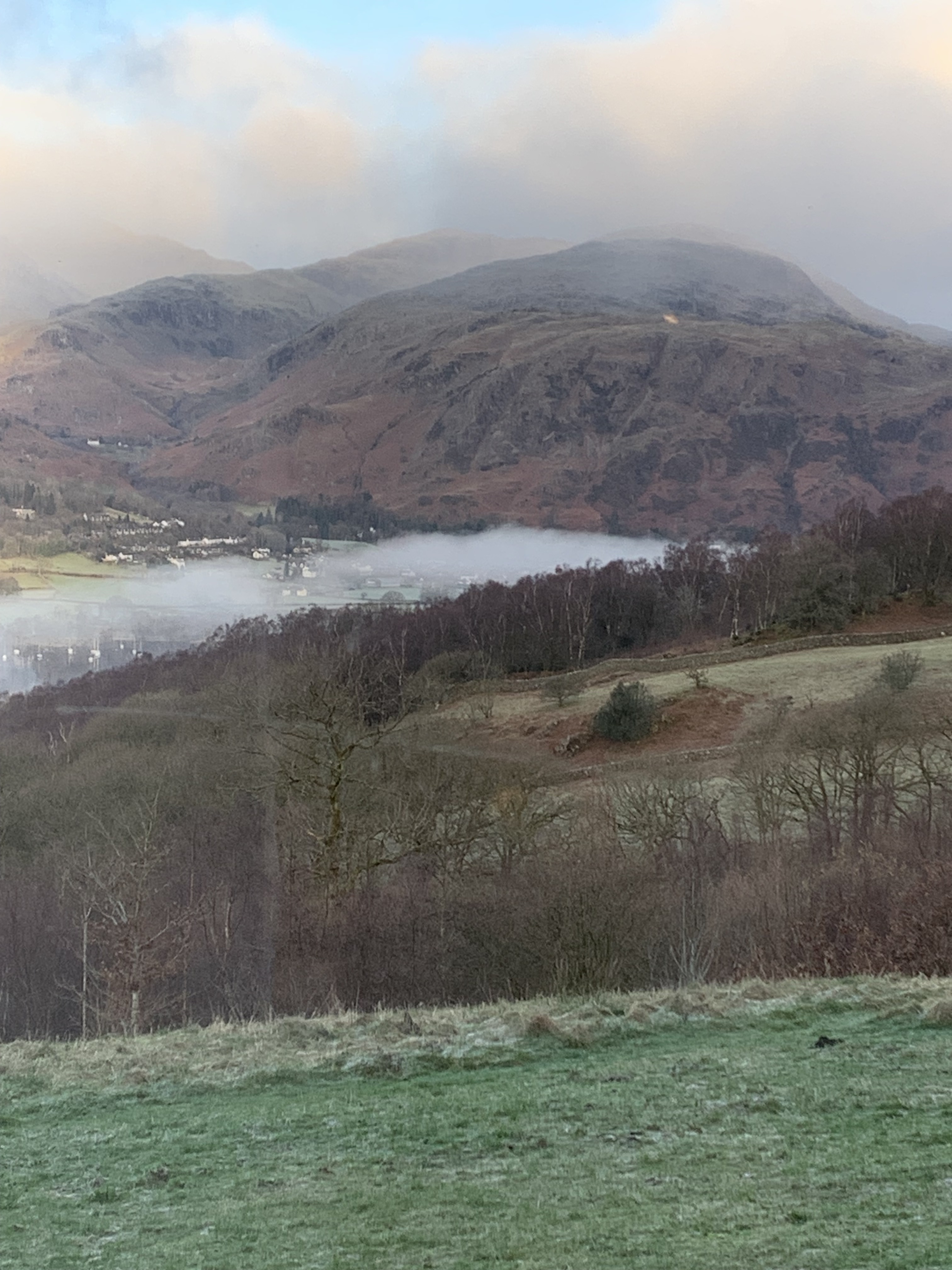
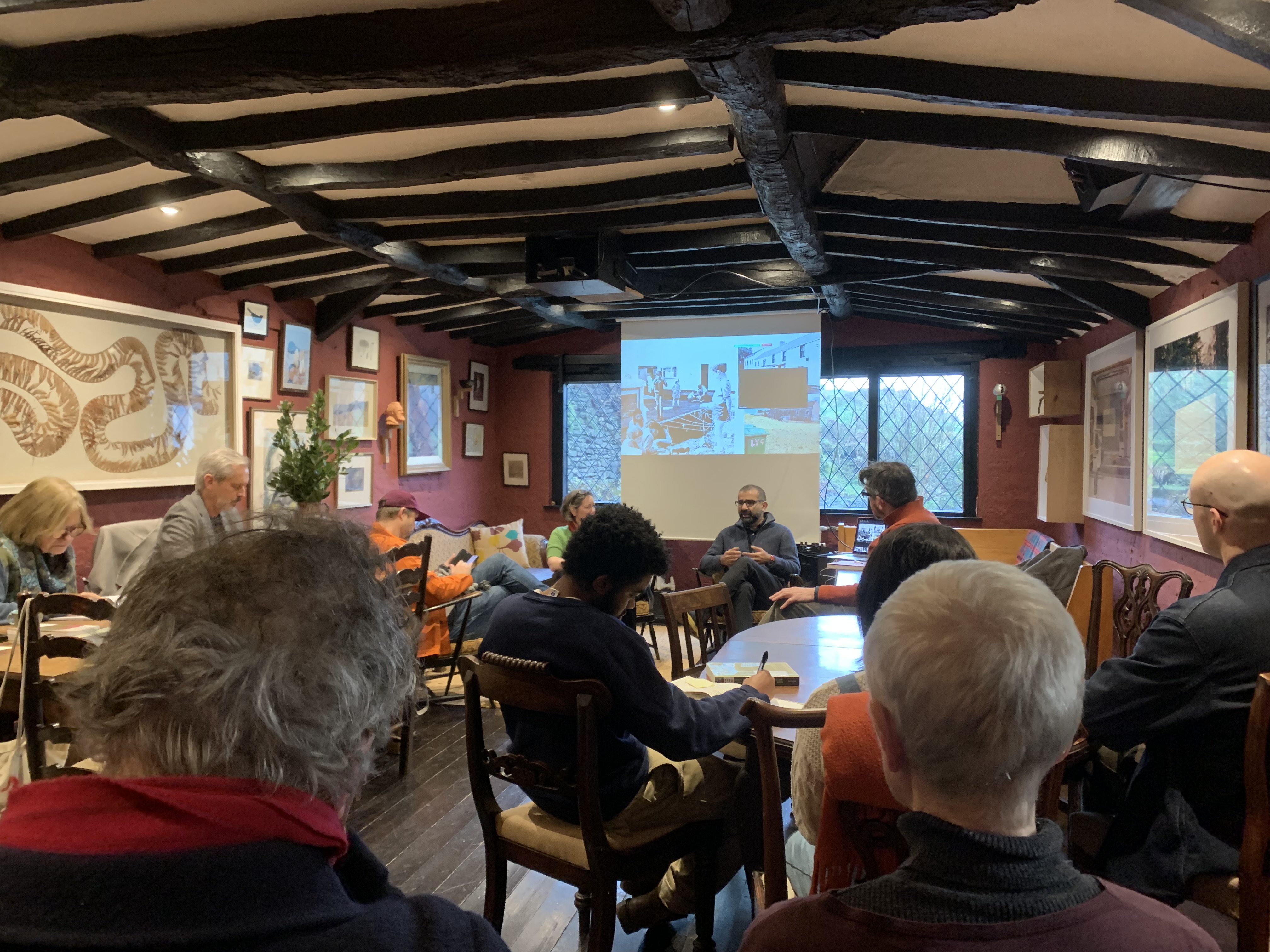
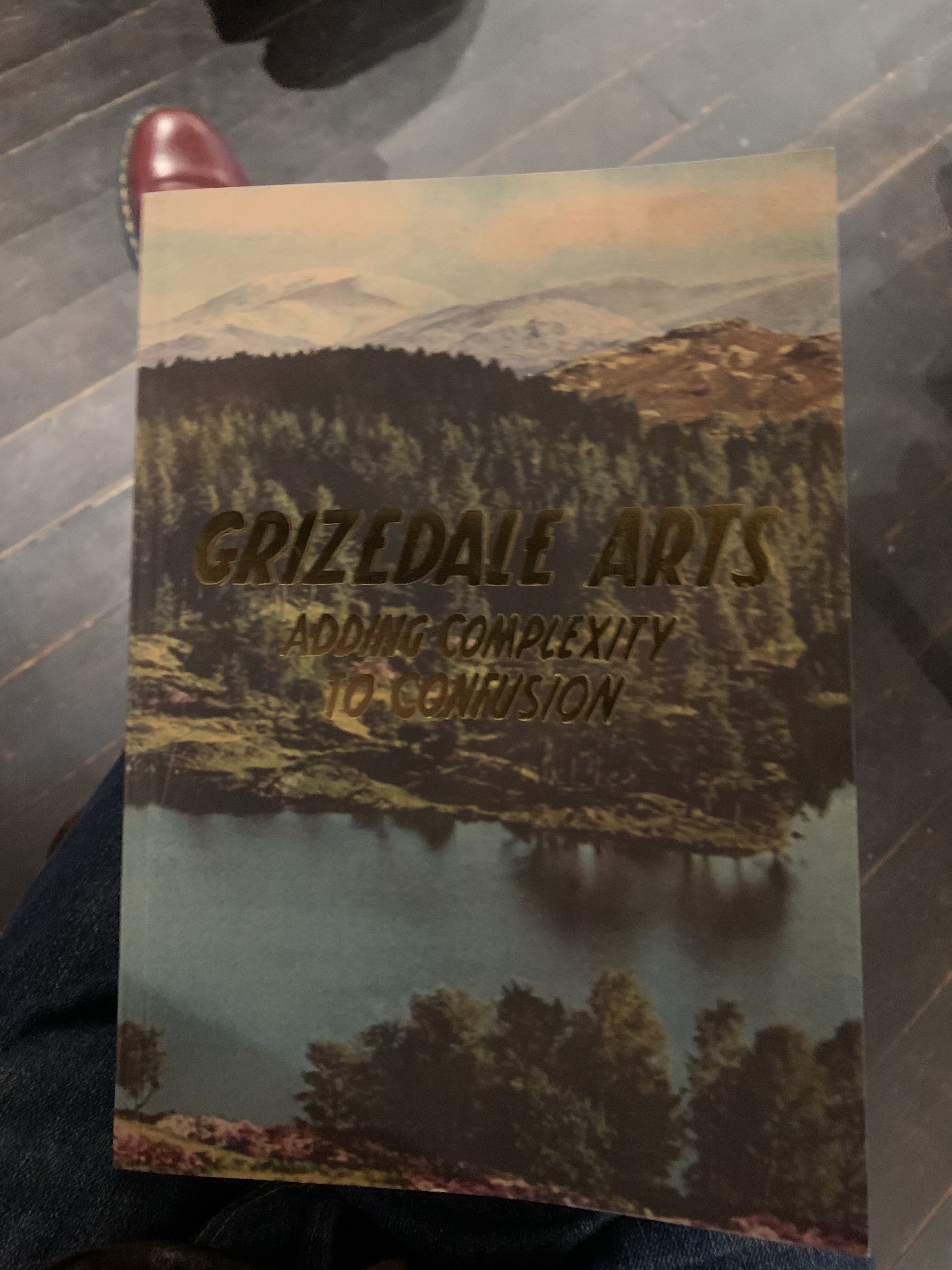
From Thursday 12th January to Sunday 14th January I took part in a series of talks, discussions, seminars and workshops at Grizedale Arts, and Grizedale Art’s The Farmers Arms, which were aimed at laying the groundwork for a new long-term research initiative called ‘The Valley Project’. After twenty Five years or more as Director of Grizedale Arts, Adam Sutherland and his staff, colleagues, comrades, constituents, artists and fellow activists have developed a wealth of archival material gleaned from the process of reimagining and reinventing what we might know of as socailly engaged art practice. In Sutherland’s hands, Grizedale Arts has also reimagined what an arts commissioning agency can be or could become. By initially inviting arts to ‘do something useful’, rather than offer the more standard approach of studio space and a final exhibition, the sheer wealth of groundbreaking activities that have come out of Grizedale Arts is breathtaking. The Valley Project Seminar placed a marker, a will to begin organising, archiving and sharing this material for the good of all whilst, at the same time, beginning to set this activity within the historical and critical context of the Lake District’s Crake Valley, where both Grizedale Arts and The Farmers Arms sit, and which has acted as a magnet for artists, poets, thinkers, makers and doers, since the mid-nineteenth century.
For me, Grizedale Arts is also the home of Useful Art, a place which welcomed me to collaborate back in 2005 – and from which my interests in Useful Art, Arte Útil and activist art have grown and developed alongside the work of so many Fellow Travellers across the world over these last two decades. I’m both eternally grateful and looking forward to the next adventures.

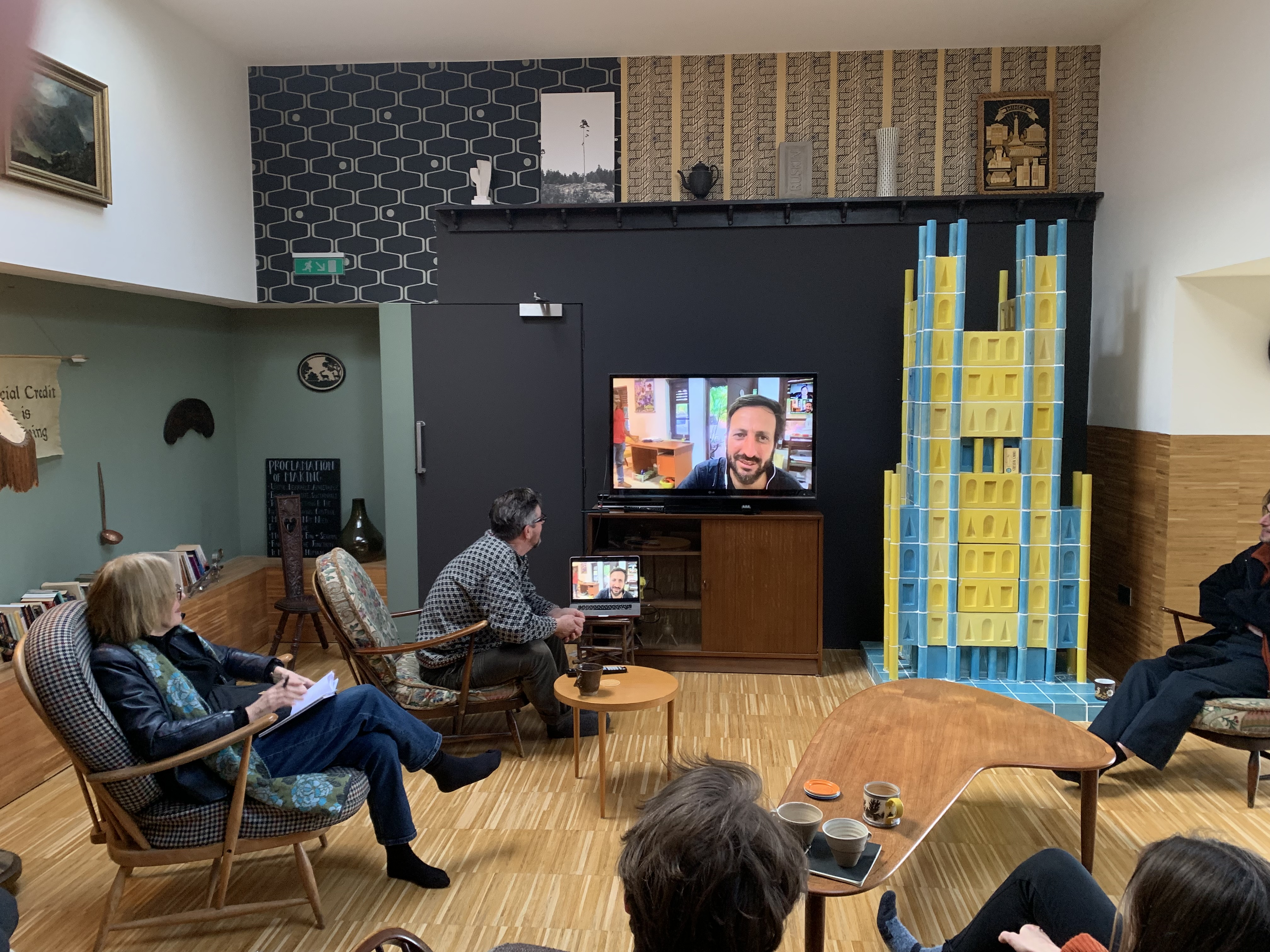



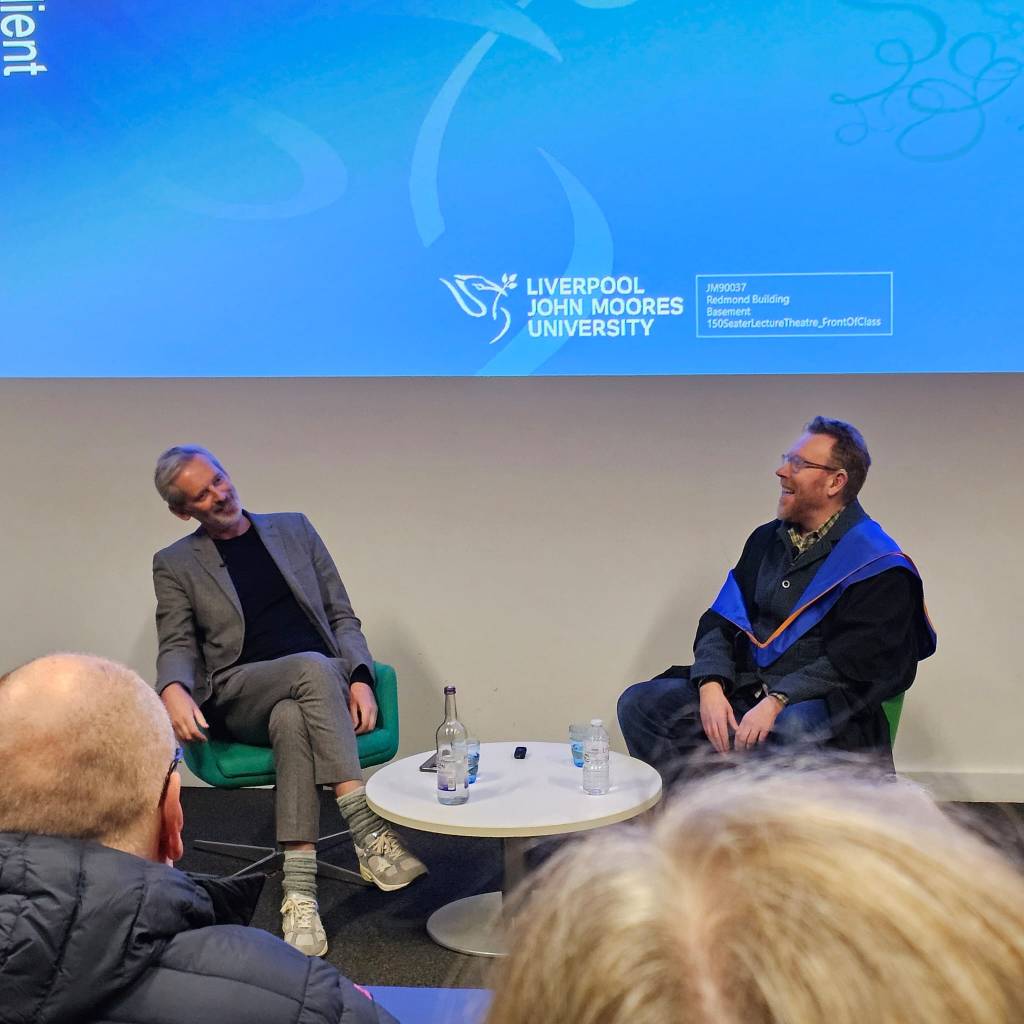
On Wednesday 11th January 2024 Liverpool John Moores University hosted my Inaugural Lecture as a recently conferred Professor of Useful Art. The Lecture took the form of a discussion between myself and my long-term colleague Alistair Hudson, whom I’ve worked with on various Useful Art projects over these last twenty years. It seemed right to do this talk as a discussion, and I was incredibly grateful that Alistiair was able to take time out of his schedule as the newly appointed Scientific-Artistic Chairman of the ZKM | Karlsruhe, a role he had only taken over in April the previous year.
A video of this discussion, courtesy of LJMU, can be found on YouTube at John Byrne Professorial Inaugural Lecture
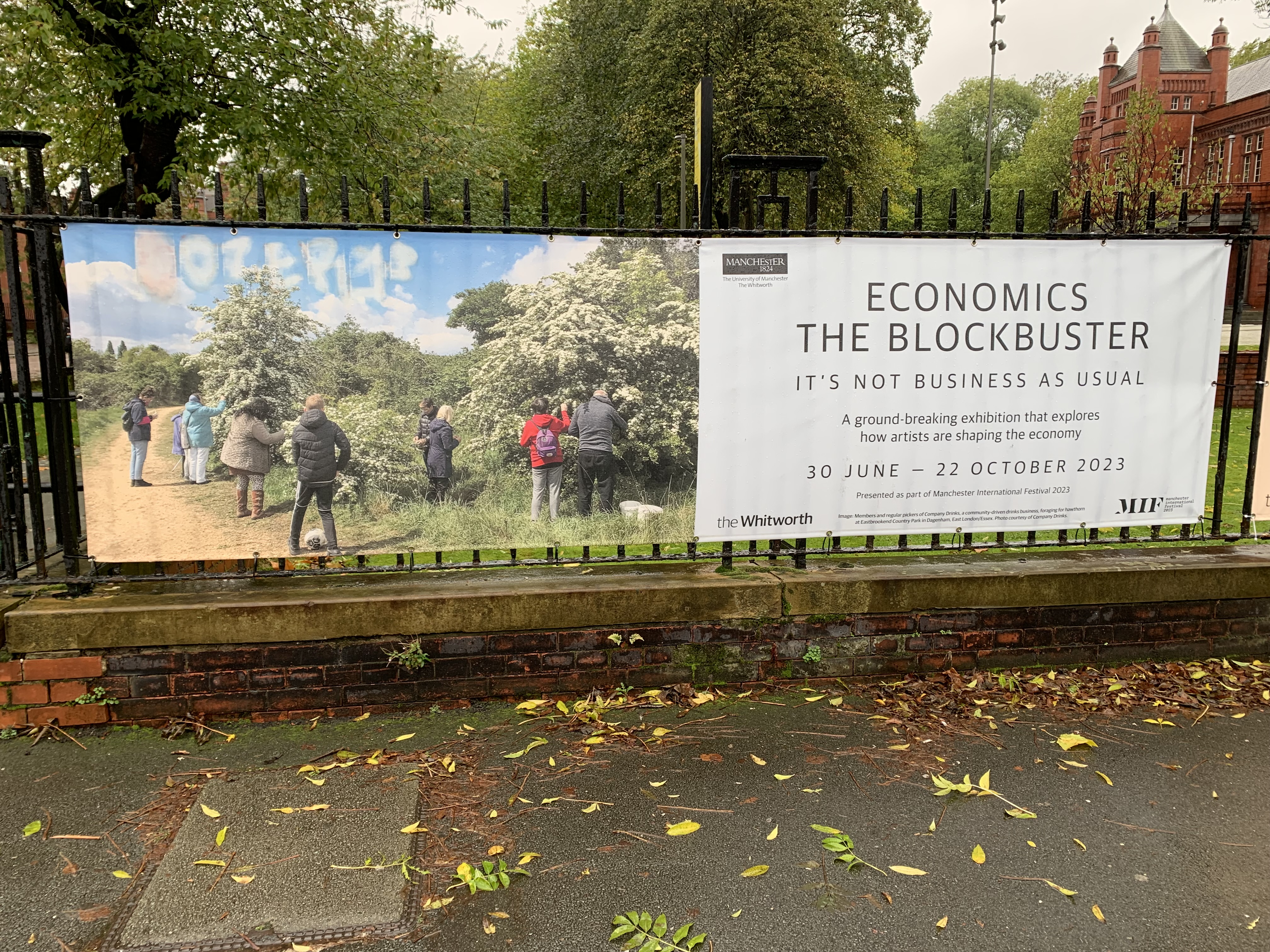


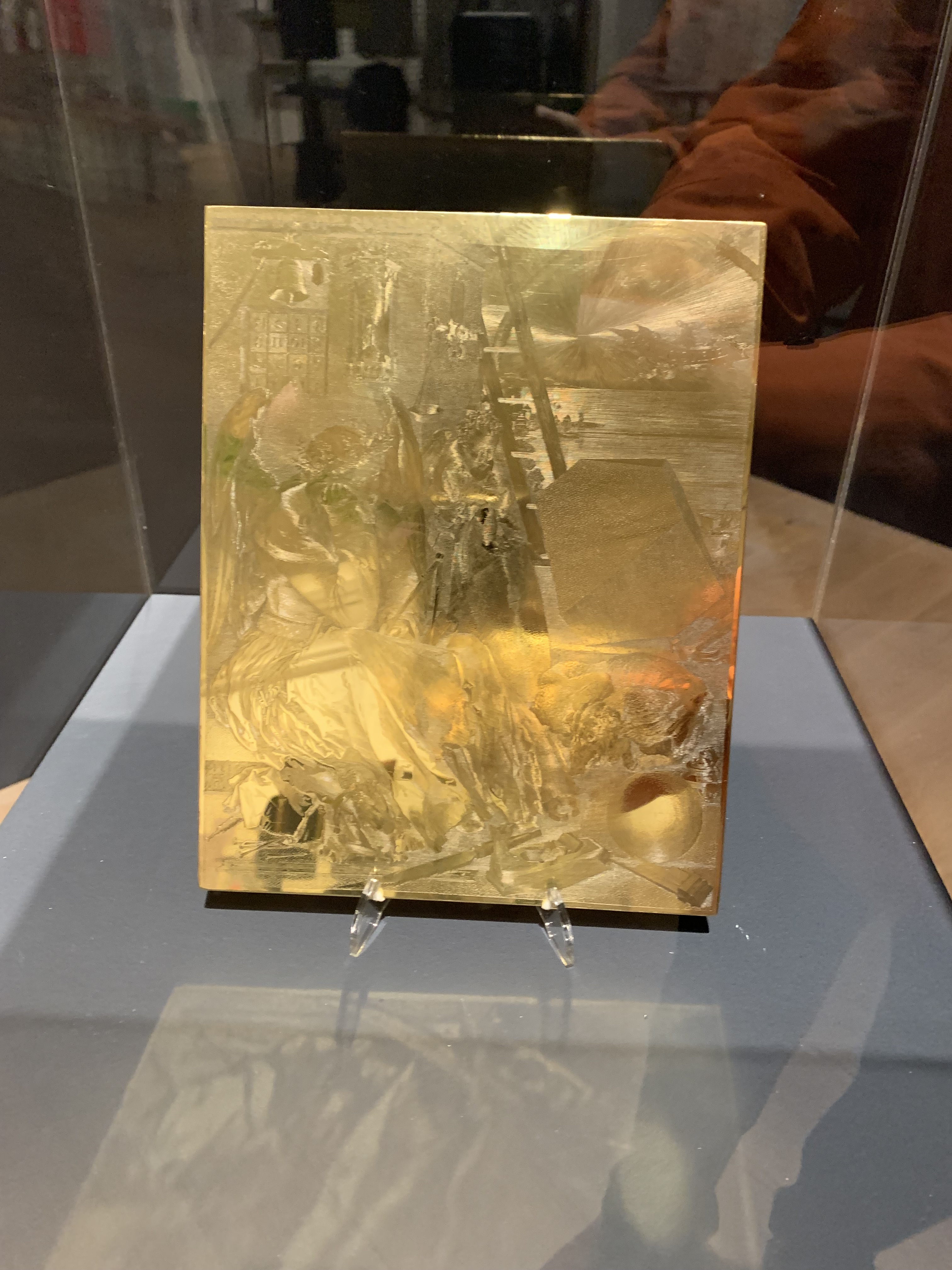
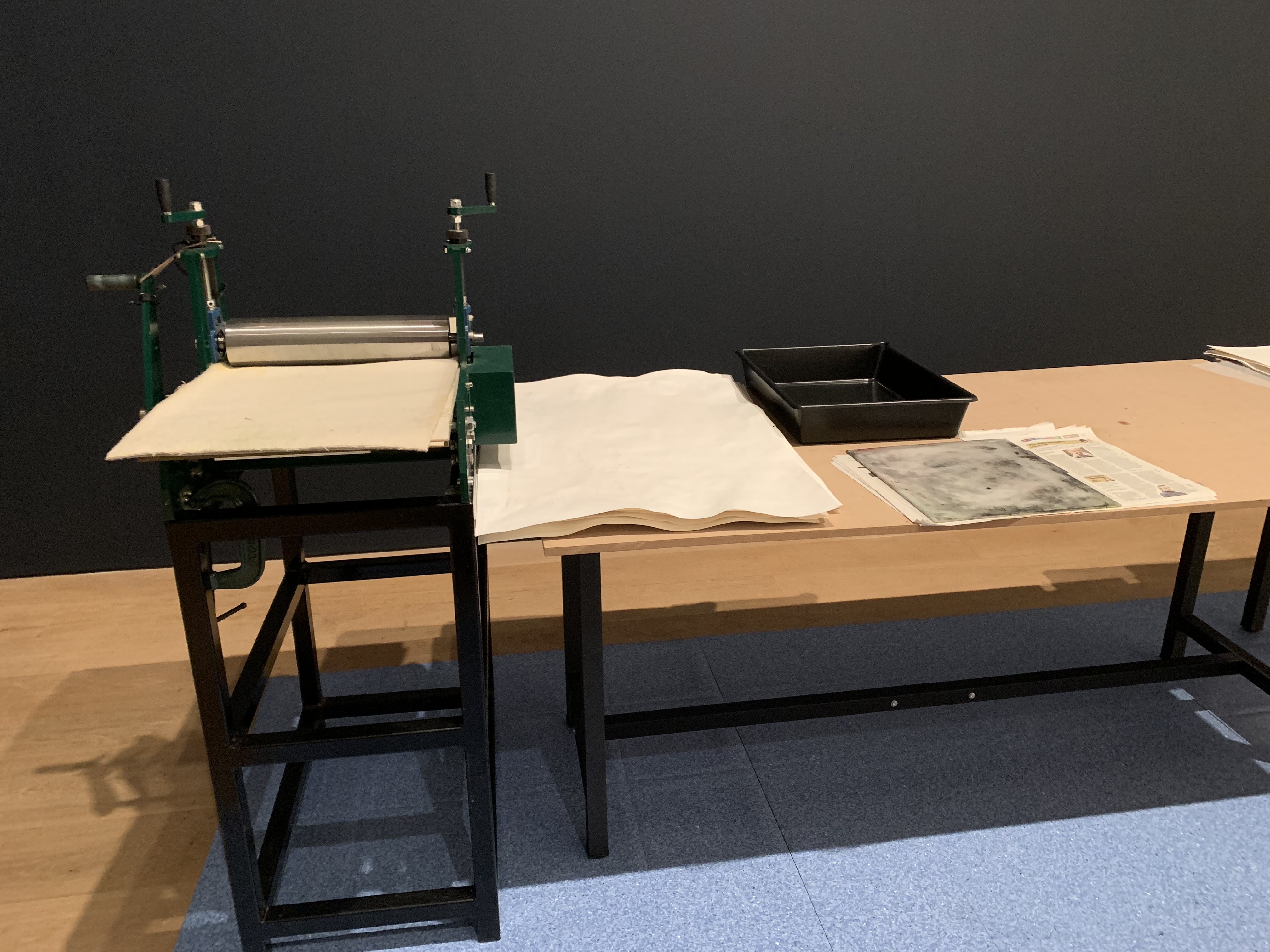
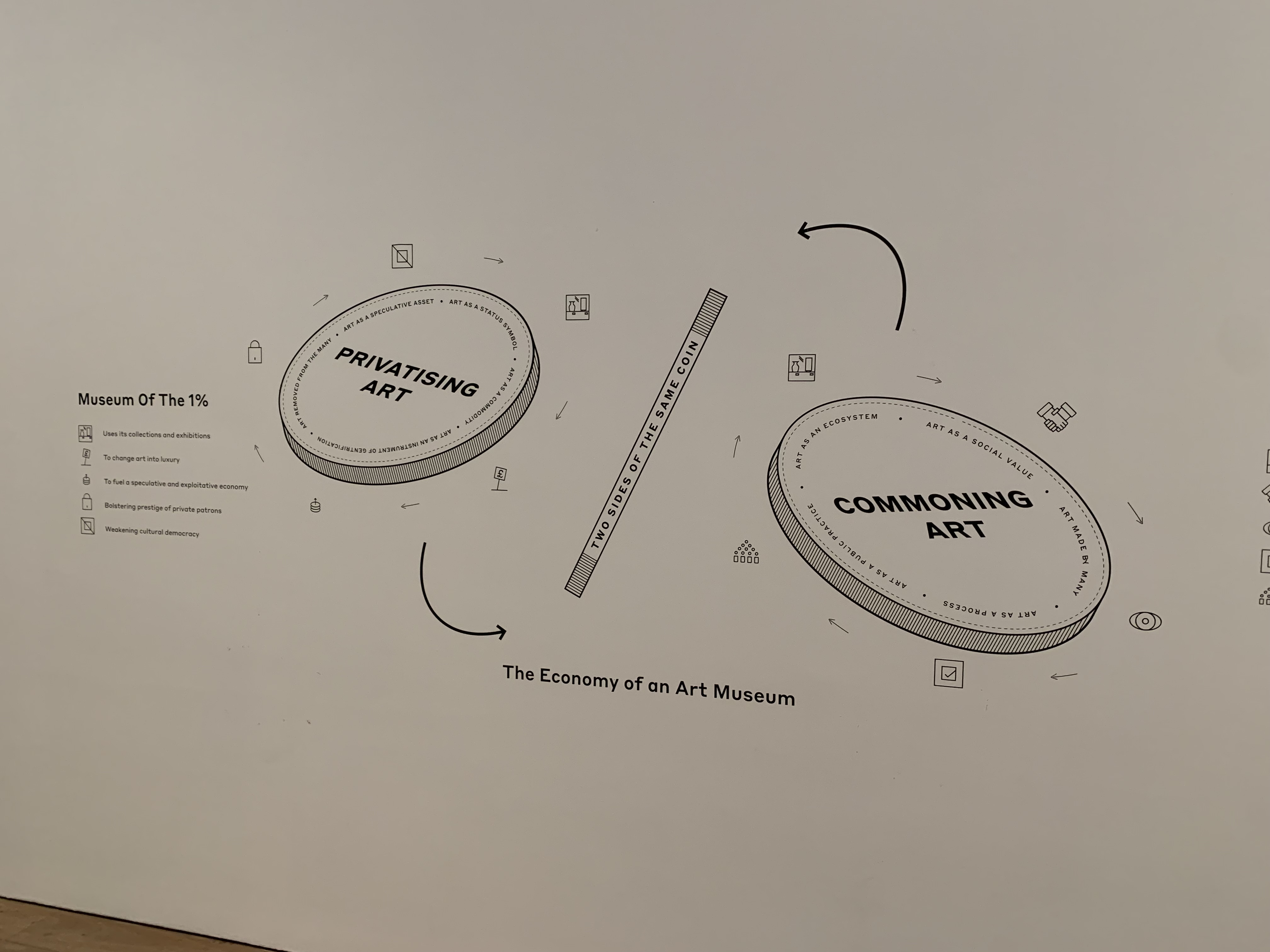

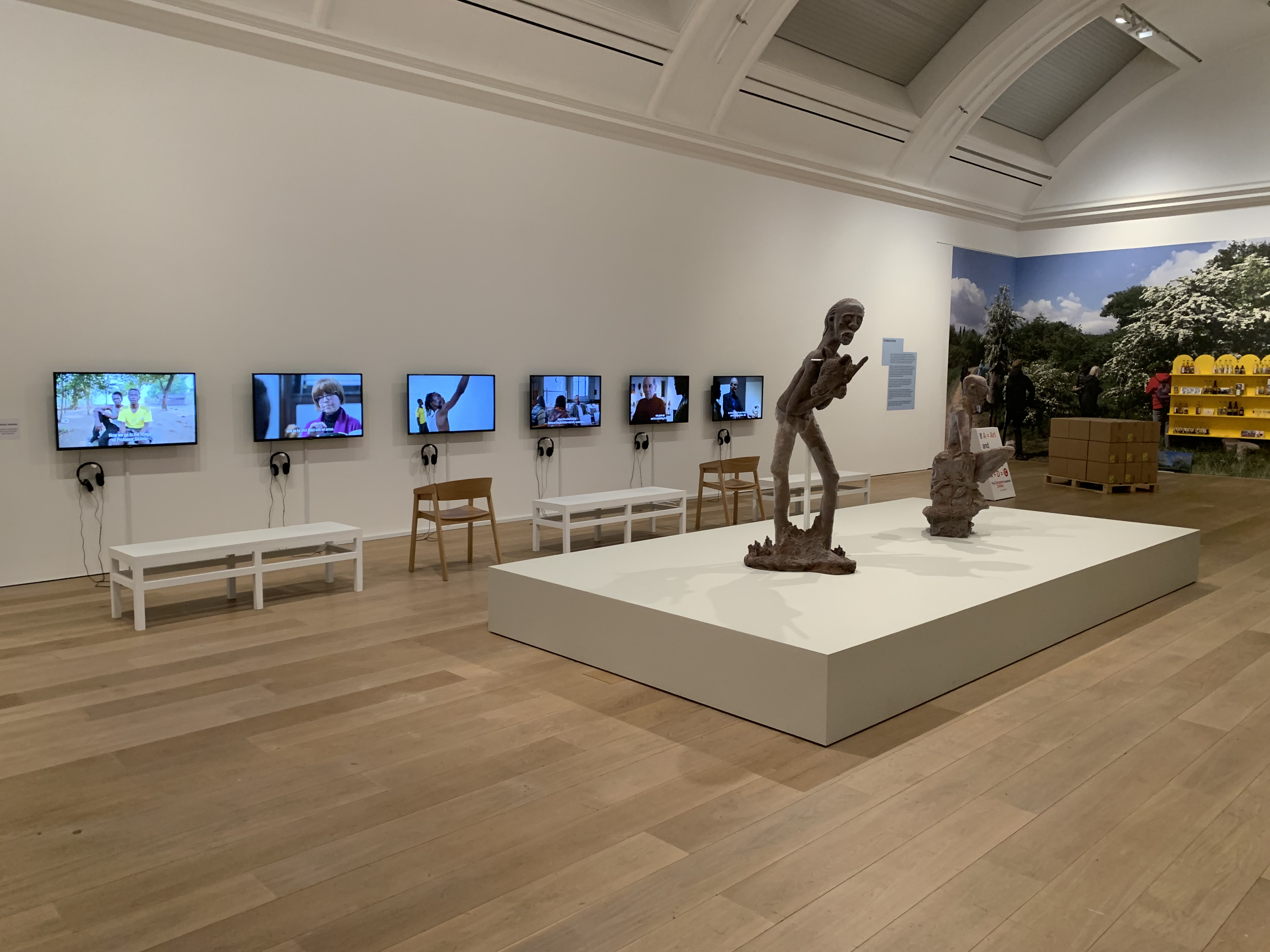


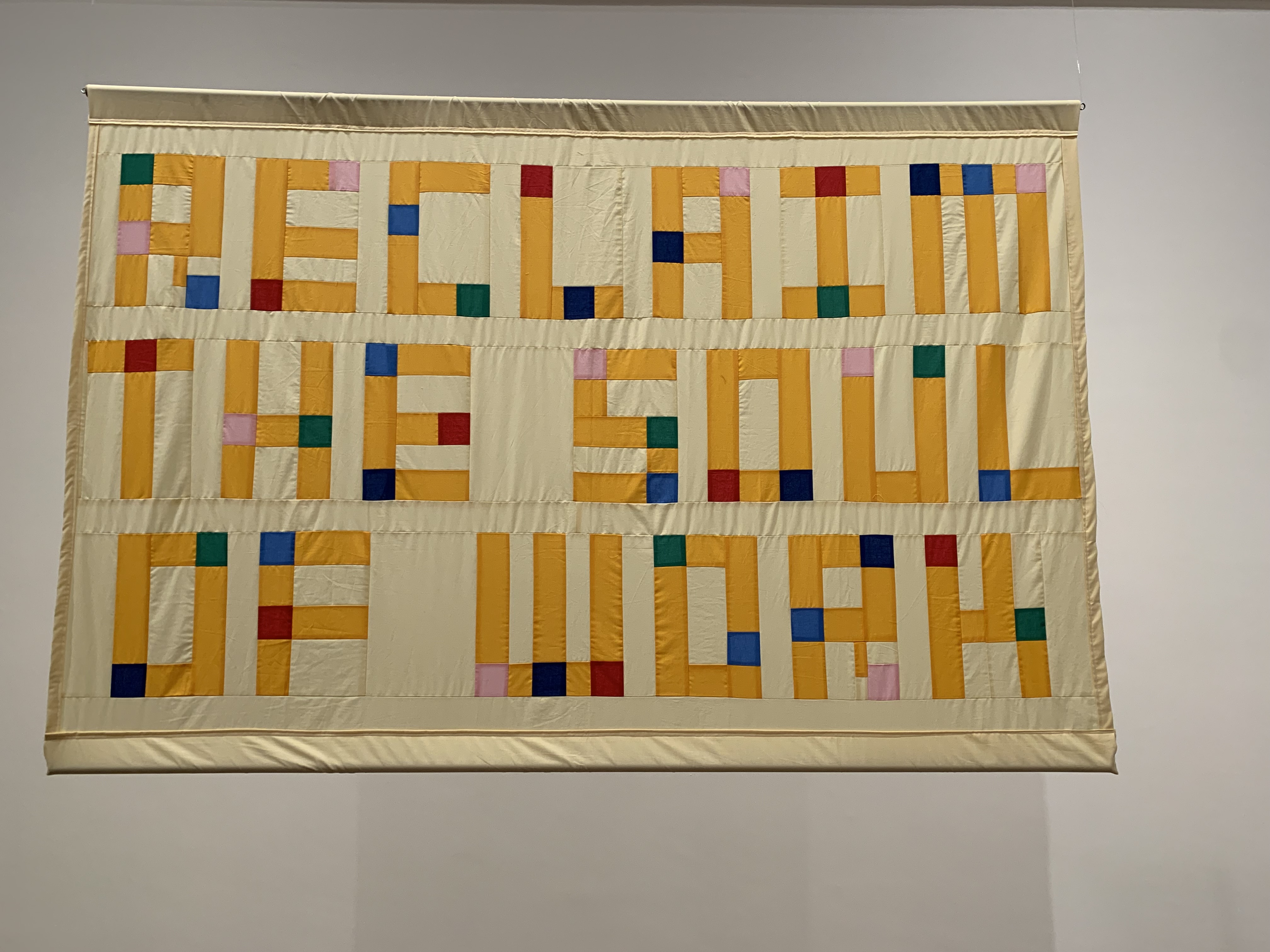
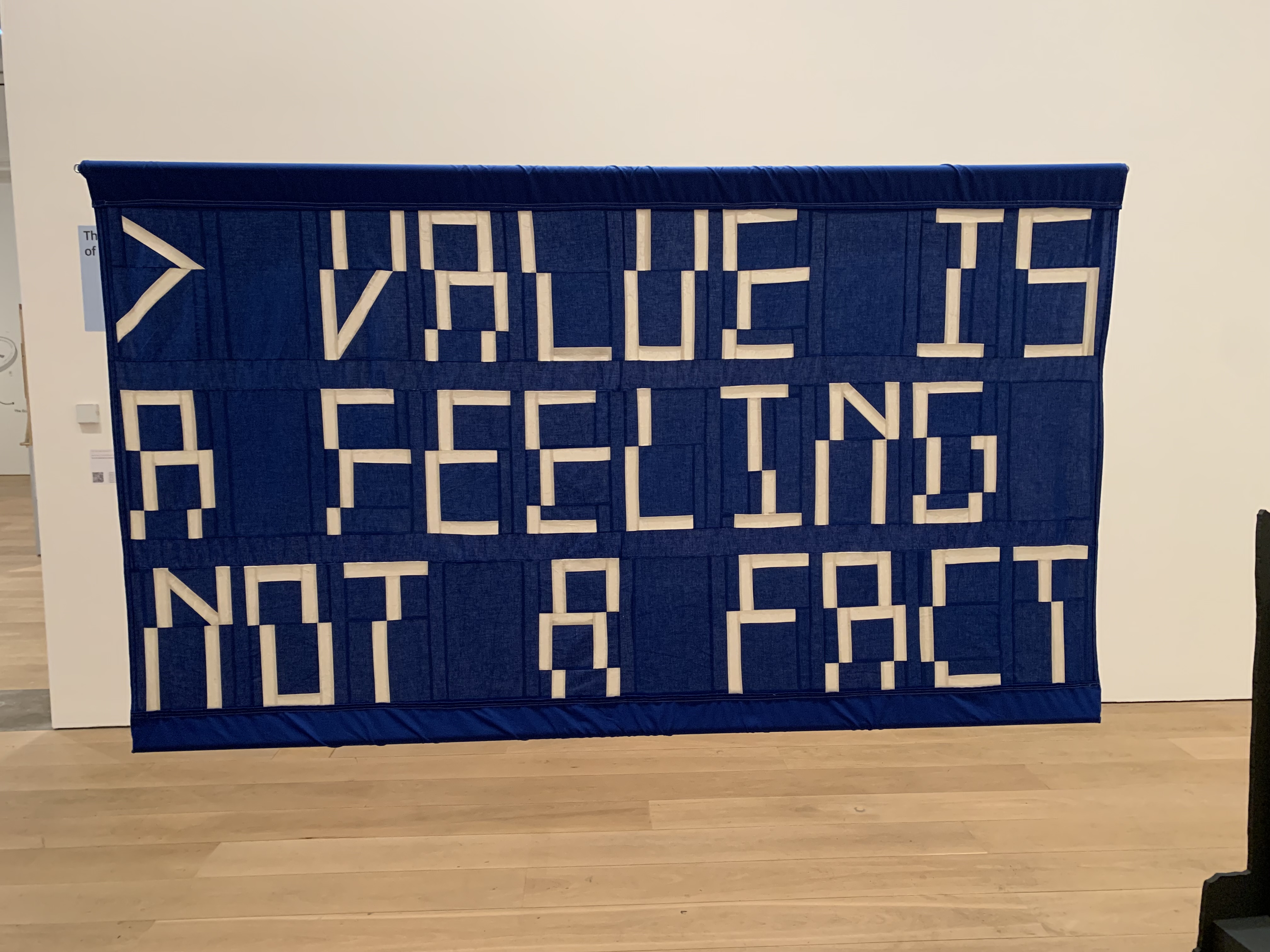
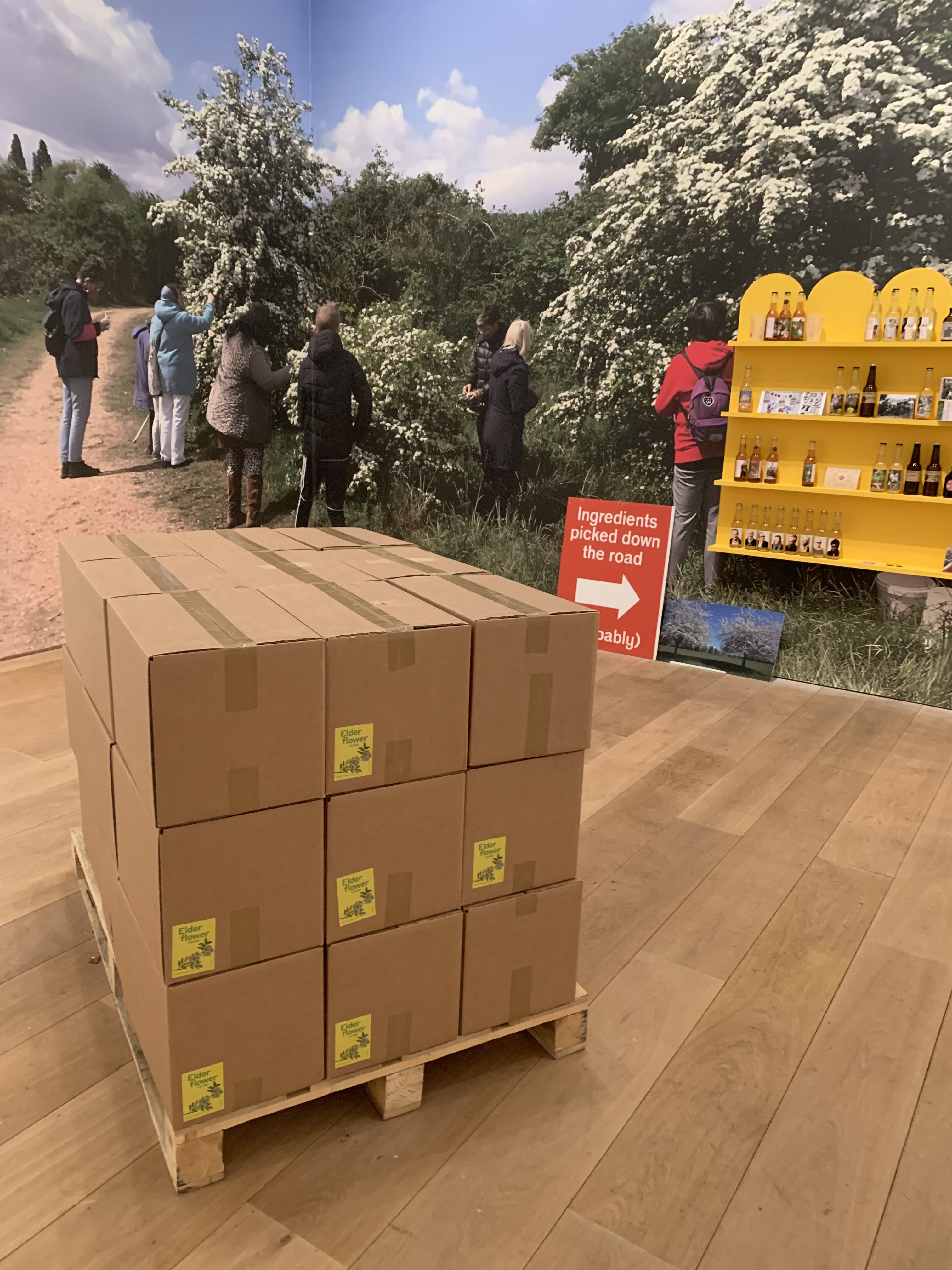


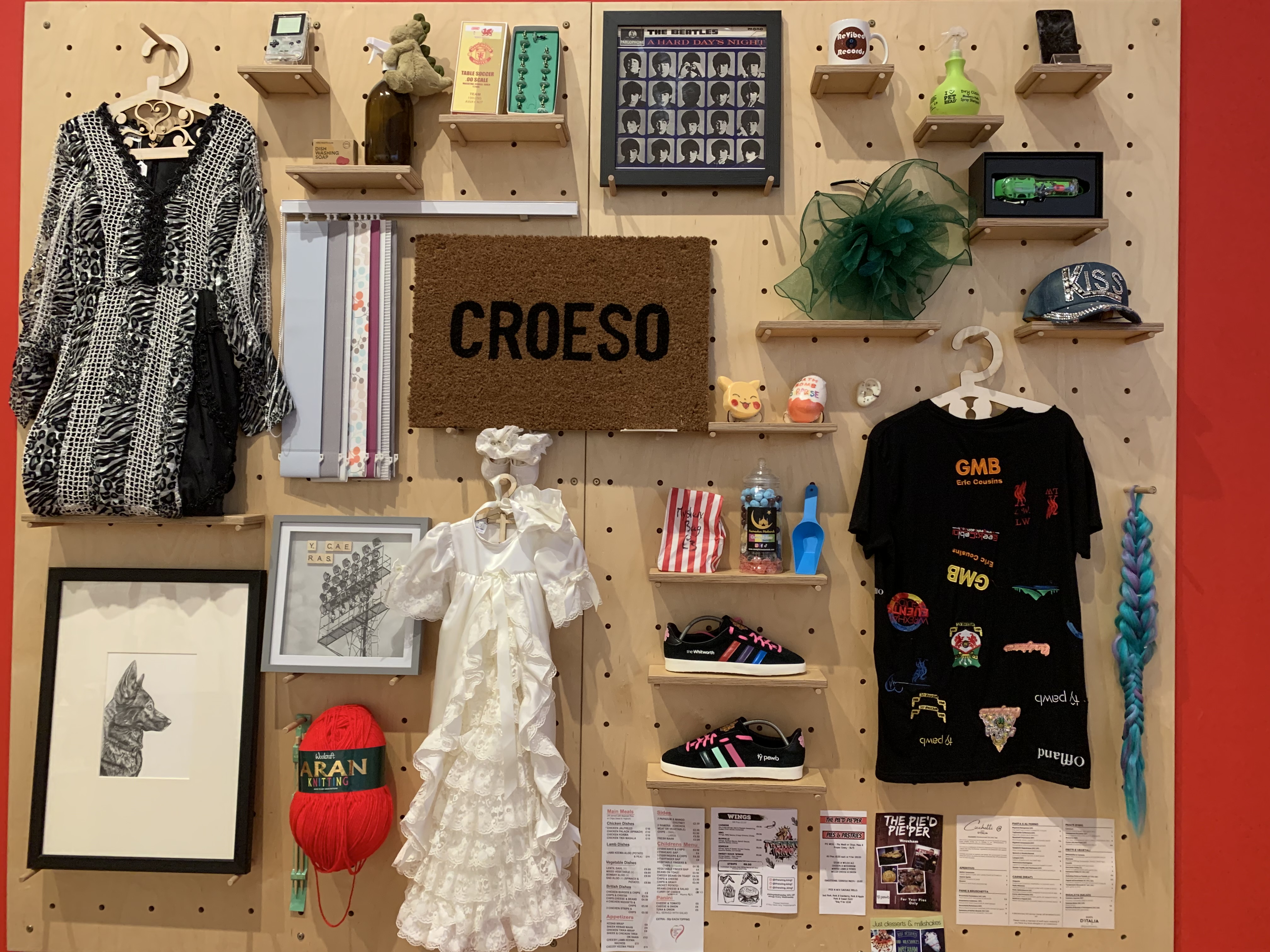
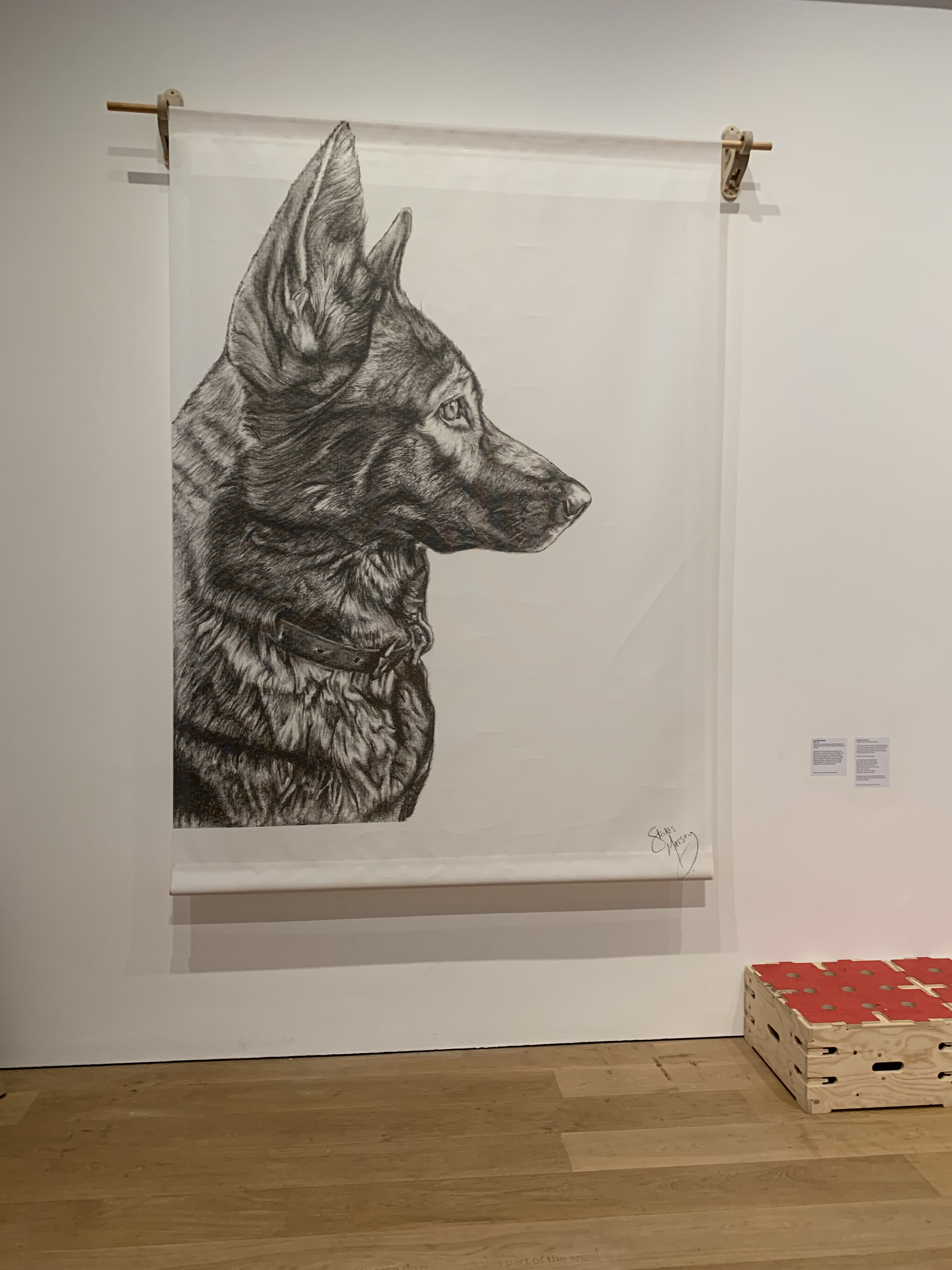


On 30th June 2023 ‘Economics the Blockbuster – It’s not Business as Usual’ opened at The Whitworth Art Gallery Manchester https://www.whitworth.manchester.ac.uk/ as Part of the Manchester International Festival 2023 https://factoryinternational.org/about/manchester-international-festival/mif23/.
Showcasing 10 examples of projects by artists, collectives and art organisations, the exhibition intends to demonstrate uses of art as ‘real world economic systems’.
Economics the Blockbuster originally initiated by Alistair Hudson during his time as Director of both Manchester Art Gallery and The Whitworth Art Gallery, built upon the work undertaken by Hudson as he sought to reshape and reimagine The Whitworth Art Gallery as a primarily useful of ‘constitute’ space. As part of my role as The Whitworth Art Gallery’s Writer and Researcher in Residence (from 2019 – 2023) I had the privilege of working with Staff, Constituents and affiliates of The Whitworth as part of an exhibition steering group led by Poppy Bowers (then Interim Head of Exhibitions at the Whitworth). Also, the online research platform I proposed in 2018 (Decentrailsing Political Economies) was intended to run alongside the long-term development of this project.
For me, what was always most important about this exhibition was not the exhibition itself, but the use of the exhibition format as a means for a museum (in this case The Whitworth Art Gallery) to begin to rethink and remake itself as a different kind of institution through a collaborative, inclusive and constituent approach. Key to this, and also from my perspective, was to host an exhibition that was not simply ‘about’ economics, or one that sought to illustrate, illuminate or ‘make accessible’ the idea of economics as we now know it to be. Instead, Economics the Blockbuster was, for me, always about making an invitation to be curious about what economics actually is (or, rather, what economics are) as a complex system of relationships – use, making, community – that cannot simply be reduced to the instrumentalising idea of simply ‘money’.
 Use Value and Art
You must be logged in to post a comment.